
Best day trips from Seoul without a car: Suwon vs Incheon vs Nami Island
Compare Suwon, Incheon, and Nami Island by door-to-door transit effort, transfer counts, and weather resilience to choose the right car-free Seoul day trip.
Quick answer
When choosing a day trip from Seoul without a rental car, do not just look at the train travel time; look at the total door-to-door friction. Suwon offers a comparatively simple rail approach for a long outdoor fortress walk. Incheon provides a weather-resilient cultural escape around its historic Chinatown. Nami Island demands the highest transit effort—requiring a rail journey, a local transfer, and a ferry—but offers the most scenery-focused day if the weather is clear.
Start here
Almost every Seoul itinerary includes at least one day trip. The mistake most first-time visitors make is treating all day trips as equal commitments. They look at a map, see that Suwon, Incheon, and Gapyeong (for Nami Island) all look relatively close to Seoul, and pick based entirely on Instagram photos.
Without a car, the reality of a day trip is dictated by the transit stack: the walk to the Seoul subway, the ride to the regional station, the transfer to the local bus, and the final walk to the attraction. A destination that looks close on a regional map can consume much more of the day once local transfers are included. Compare the options by door-to-door effort, weather resilience, and how much energy you want to preserve for the evening back in Seoul.
What to know before you go
Verify current transit and admission details before departure, because they change and are not fully captured by general tourism summaries.
For example, VisitKorea confirms that Nami Island is a major outdoor nature and cultural destination requiring a ferry ride. However, ferry intervals, admission prices, and rail availability can change. Check the live operator pages for current schedules rather than relying on an older blog post.
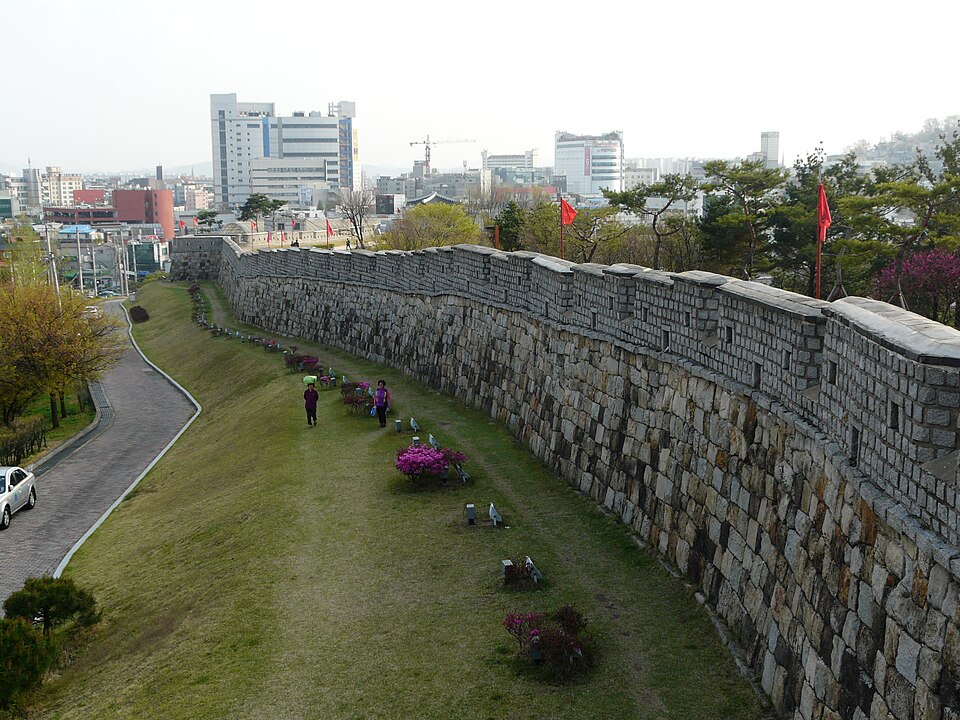
Similarly, understand the physical scale of your destination. VisitKorea and UNESCO note that Suwon Hwaseong’s fortress walls stretch for over 5.7 kilometers across both flat and hilly terrain. This is not a compact museum visit; it is a substantial outdoor walking commitment that requires good weather and comfortable shoes.
How to make the day easier
The low-friction history walk: Suwon
Suwon is the easiest major historical day trip to execute. Suwon Station can be reached by metropolitan rail or faster intercity services, followed by local transit or a taxi to the fortress area. Check the live route from your actual hotel instead of assuming Seoul Station is the best origin.
The route has fewer moving parts than the Nami Island journey, so its door-to-door effort is comparatively low. Its weather resilience is also low; walking a 5.7-kilometer exposed wall in heavy rain or peak summer heat is uncomfortable. In good weather, the simpler return leaves a better chance of preserving energy for dinner back in Seoul.
The weather-resilient food escape: Incheon
Incheon’s historic Chinatown is the most forgiving day trip on the list when the forecast is uncertain. VisitKorea notes that the area developed after the port opened in 1883 and that restaurants now dominate the district’s businesses.
The transit is comparatively simple because metropolitan rail reaches Incheon Station, which sits beside the historic Chinatown area. Restaurants, cafes, and small museums provide useful shelter, giving this route better weather resilience than a fortress walk or island day. The metropolitan-rail return is comparatively simple, which makes this the easiest option to pair with an evening near your hotel.
The high-effort scenic immersion: Nami Island (Gapyeong)
Nami Island is known for tree-lined outdoor paths, but it requires the most logistical work. A typical independent route uses rail to Gapyeong Station, a local bus or taxi to the wharf, and then a ferry to the island; verify the live combination from your hotel before departure.
This multi-step transit stack means the door-to-door effort is high. Furthermore, because the island's primary appeal is its outdoor scenery, its weather resilience is very low. The combination of multiple transfers, outdoor walking, and a potentially crowded return journey means the recovery-evening cost is high—expect to want a quiet, easy dinner near your Seoul hotel when you get back.
SeoulSheets connection
Comparing transit effort is only half the battle; the other half is integrating that day trip into your broader week. The seven-day Seoul itinerary guide recommends following a high-effort day trip such as Nami Island with a lighter neighborhood day.
When you use the Seoul itinerary spreadsheet, you can visually balance your week. If you slot Nami Island into Day 4, you can use the spreadsheet's neighborhood filters to ensure Day 5 is a low-transit, relaxed cafe day in a single area like Seongsu. Furthermore, the spreadsheet includes Naver and Google map links for regional transit hubs, allowing you to check live train and bus connections rather than guessing how long the journey back to your hotel will take.