
Changdeokgung vs. Gyeongbokgung: Which Seoul Palace Should You Visit?
A practical, map-aware guide to changdeokgung vs. gyeongbokgung: which seoul palace should you visit?.
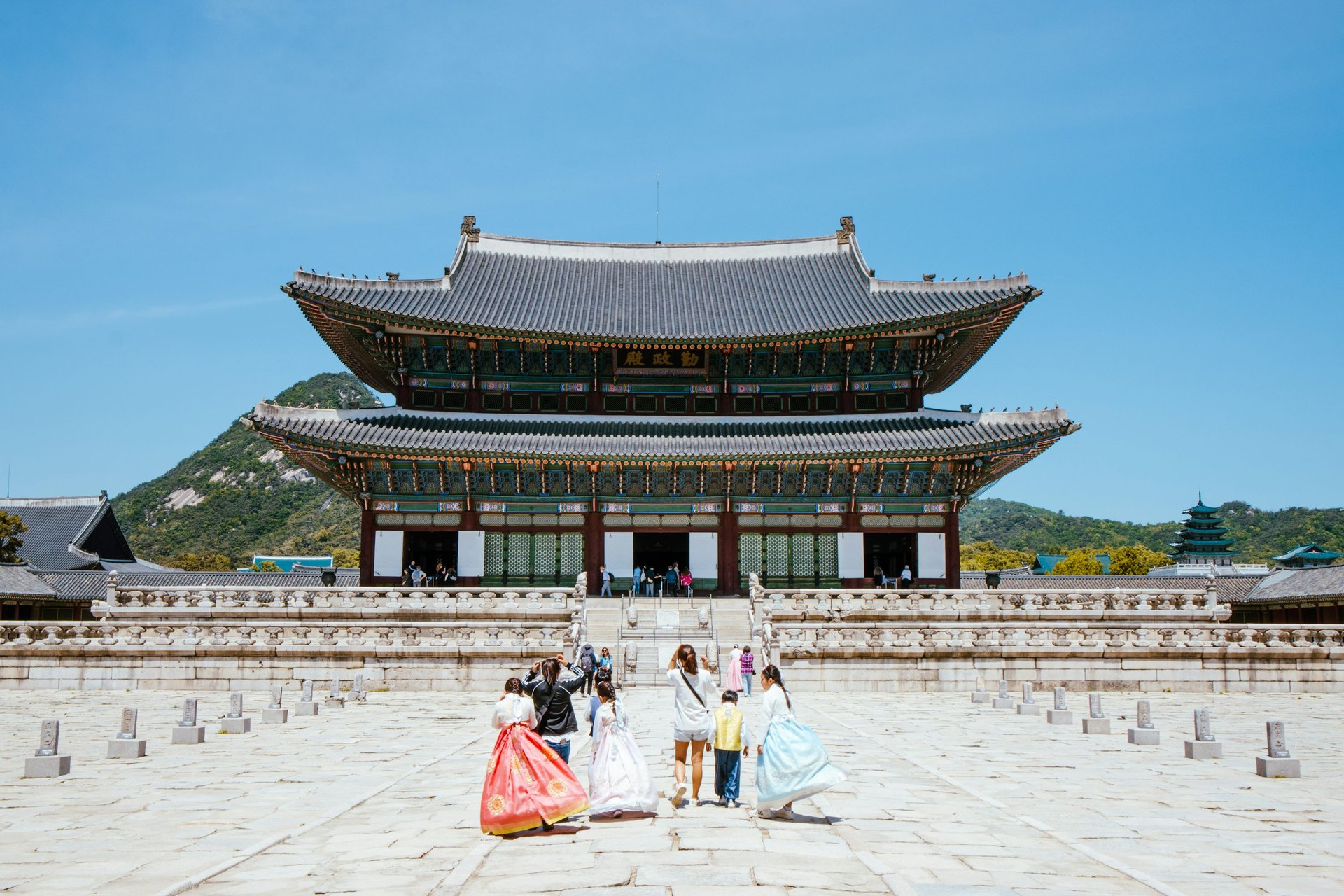
Quick answer Both palaces are worth visiting, but your best pick depends on what you want out of the visit. Choose Gyeongbokgung if you want a big, central palace with wide courtyards and easy access to the main civic axis; choose Changdeokgung if you want a quieter, historically layered visit that pairs naturally with Bukchon and Insadong and includes the famed rear garden. Neither is objectively “better” — match the palace to your energy, schedule, and neighborhood plan. Verify the latest operational details at official sources before you go. [1] [3]
Why compare these two? Gyeongbokgung and Changdeokgung were both royal palaces with different historical roles and layouts: Gyeongbokgung sits prominently on the main city spine and reads as an imperial compound, while Changdeokgung is celebrated for its integration with the natural site and its rear garden (Huwon). Understanding the experiential difference (large courtyards vs. intimate garden paths) lets you choose the visit that fits your day, not just “the most famous.” [1] [3]
Match your goals and energy level - Want iconic, wide-open photo opportunities and a sense of Seoul’s central government axis? Lean toward Gyeongbokgung. It’s easier to combine with museum visits and main-government-area walking routes. [1] - Want a calmer, contemplative palace walk where landscape framing and seasonal colors matter (especially spring and autumn)? Changdeokgung’s Huwon is a draw, but access may be more limited or guided. [3] - Low energy or tight schedule: plan a shorter visit to the palace that’s closest to your base, or pick the palace that pairs with a single nearby neighborhood to minimize transit. - High energy and sightseeing appetite: you can feasibly do both on separate half-days — one palace + neighborhood each — but plan buffers for transit and ticketing.
Use the short table below to clarify which palace suits a specific traveler profile.
| Palace | Best for | Energy / pacing | Neighborhoods to pair with |
|---|---|---|---|
| Gyeongbokgung | Big, central photo moments; civic axis | Medium (walkable courtyards; more tourists) | Gwanghwamun / civic museums / main streets near the palace [1] |
| Changdeokgung | Garden-focused, quieter historical feel | Low–Medium (more meandering, garden paths) | Bukchon + Insadong — ideal for combining traditional streets and tea houses [2] [3] |
Neighborhood pairing and route fits Plan the palace visit as part of a short neighborhood loop rather than as an isolated stop. Changdeokgung connects naturally to Bukchon Hanok Village and Insadong, where you can continue on foot through traditional lanes and galleries; Bukchon is explicitly promoted as a connected experience with nearby palaces and hanoks. [2] Gyeongbokgung sits on the northern end of the main Sejong-ro axis and is straightforward to attach to civic museums, large boulevards, and major subway lines. Either pairing reduces travel time and simplifies a half-day itinerary.
Always check entrance/exit locations and subway station exits in advance so you don’t spend walking time backtracking. For neighborhood-specific attractions (hanbok rental, tea houses, craft shops), add their typical dwell time into your plan rather than assuming a palace visit will soak up the whole morning.
Concrete route-planning spreadsheet workflow Use a single sheet or tab to compare palace options and build a decision-ready itinerary. Fields to include: - Date - Palace (Gyeongbokgung / Changdeokgung) - Desired arrival window (e.g., morning / mid-afternoon) - Travel method and estimated travel time (walk / subway line + station) - Entry checklist (ticket type, guided tour / garden access requirements, hanbok rental slot) - Estimated visit time (base estimate + extras) — see buffer guidance below - Neighborhood pairing (next stop) and transfer time - Energy rating (1–5) and accessibility notes - Plan B (alternate attraction if closed/fully booked) - Final confirmation link (official palace page or event notice)
Buffer guidance (evergreen strategy): add at least 30–45 minutes buffer for transit delays and queues. If you plan to enter changdeokgung’s rear garden or take a guided tour, add an additional 60–90 minutes as a conservative buffer until you verify the current reservation or slot system. If you’re renting hanbok, reserve an extra 30–60 minutes for fitting and photos. Those buffer amounts are strategic, not time-sensitive rules — always check official pages for the exact reservation and admission process before finalizing.
Contingency plan: if a palace is closed or slots are full, pivot to the paired neighborhood (Bukchon or nearby museums), book the next available slot, or reallocate that half-day to a nearby cultural site. Keep one cell in your sheet for “quick pivot” options with walking times so decisions on the day are fast.
When you want to plan this in template form, use the seoul trip planner template to import the fields above and compare side-by-side. If you’re considering dressing in hanbok for photos, see the related practical guide: Seoul palace guide and hanbok rental.
Evergreen vs time-sensitive facts Evergreen strategy: match the palace to your goals and neighborhood flow, build buffers, and keep a simple contingency plan. Those planning choices remain useful year-round.
Time-sensitive facts to verify immediately before travel: opening hours, ticket policies, guided-tour or garden reservation rules, special closures, and event schedules (for example, changing-of-the-guard ceremonies or temporary restoration work). Official palace pages and the Royal Palaces administrative site give the authoritative, current details you must check. [1] [3]
SeoulSheets connection If you’re using SeoulSheets-style planning, convert the workflow above into a simple decision matrix in your planner: one column for “experience priority” (photos vs. garden vs. neighborhoods), one for “energy,” and one for the final pick. Import the palace fields into the seoul trip planner template to compare time costs and backups at a glance. Link each palace row to its official info and your hanbok rental slot from the Seoul palace guide and hanbok rental so confirmations are a click away on the travel day.
Final take No single palace is the universal choice. Pick Gyeongbokgung if you want a larger, central palace experience with straightforward transit connections; pick Changdeokgung when you want a quieter, garden-centered visit that pairs seamlessly with Bukchon and Insadong. Use the spreadsheet workflow and buffers above to convert that preference into a reliable half-day plan — and verify the latest entry and reservation rules at official sources before you go.
Official checks: