
4-Day Seoul Itinerary: Palaces, Markets, K-Beauty, and a Han River Evening
A practical, map-aware guide to 4-day seoul itinerary: palaces, markets, k-beauty, and a han river evening.
Quick answer
This 4-day Seoul plan groups classic palaces and Bukchon, food markets and street snacks, K‑beauty and shopping neighborhoods, and a Han River evening into a logical path that minimizes backtracking. Start in central Jongno for heritage, move south or west for markets and retail, then finish at a river park near your last neighborhood. Use a single trip spreadsheet to track start/end points, transit time estimates, reservation needs, and one clear backup per day.
If you want to expand to a slower pace with extra cafes and neighborhoods, see the five-day Seoul itinerary for an alternate sequencing and extra food stops (/blog/five-day-seoul-itinerary-food-cafes-palaces-shopping).
Why this order avoids crisscrossing
Seoul is a linear mesh of historic cores, market hubs, and modern shopping districts. The key to avoiding wasted transit is clustering: keep palaces, Bukchon, and nearby museums together; group central markets (Gwangjang, Namdaemun, Myeongdong) into the same day; pair Gangnam/Apgujeong shopping with K‑beauty exploration; pick a Han River park close to where you finish that afternoon. That lets you walk between many stops and use one or two short subway rides rather than hopping across the city multiple times.
Evergreen strategy: cluster by neighborhood, plan one long activity per afternoon, reserve evening for less-structured time. Time-sensitive facts — opening hours, special exhibitions, festival schedules, or seasonal river events — should be verified on official pages before you go.
4-day routing (compact, walkable sequence)
Day 1 — Heritage cluster: morning palaces → Bukchon → lunch near Insadong → late afternoon museums or tea houses. Finish near City Hall or Jongno for an easy start the next day.
Day 2 — Markets and street food: choose a market cluster (Gwangjang + Dongdaemun fabric markets, or Namdaemun + Myeongdong). Start with the oldest market in the morning while it’s lively, move to indoor shopping arcades in the afternoon, and leave an evening slot for street food or a market dinner.
Day 3 — K‑beauty and modern shopping: pick Gangnam/Apgujeong for high-end stores and beauty flagships, or Hongdae/Yeonnam for indie shops and cosmetic boutiques. Reserve time for a dedicated beauty-store crawl (patch testing and returns take time).
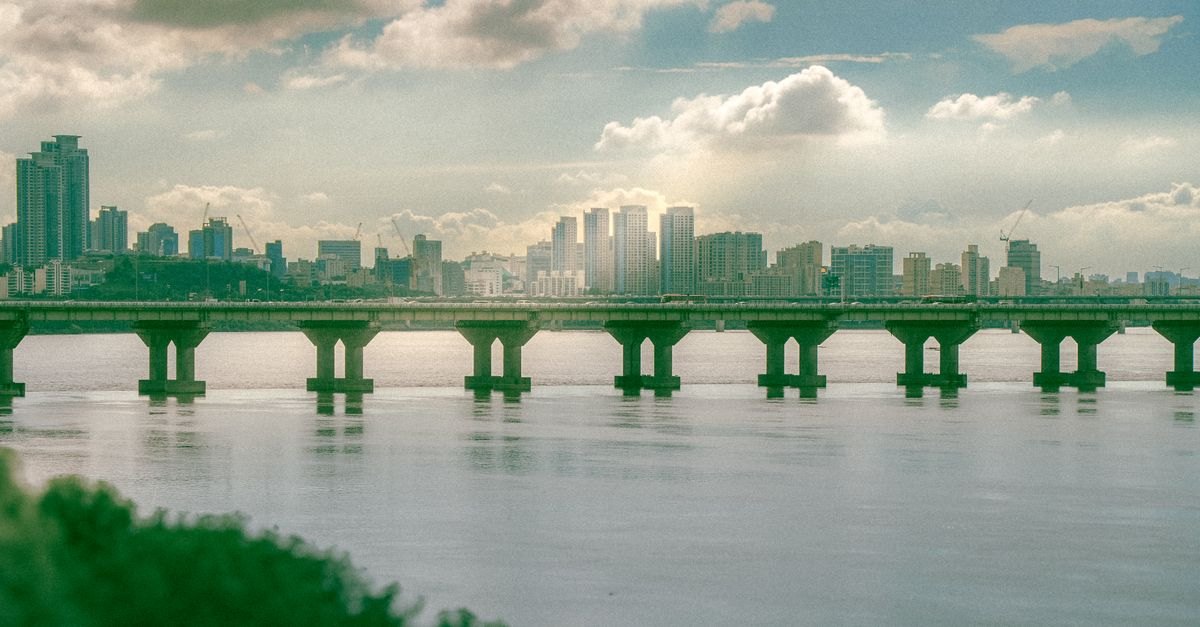
Day 4 — Light daytime activity + Han River evening: do a relaxed museum or neighborhood coffee crawl, then head to the Han River park closest to your last daytime stop for sunset and riverside cafes. Choose the riverbank that minimizes transfers from your hotel or last stop.
Small checklist before each day: quick weather check, public-transport disruption alerts, reservations confirmed, phone battery >50%.
Choices at a glance
| Focus | Best neighborhood cluster | Why this reduces backtracking | Suggested buffer per main stop |
|---|---|---|---|
| Palaces & Bukchon | Jongno (Gyeongbokgung/Changdeokgung/Insadong) | Walkable cluster, one transit arrival | 45–75 minutes |
| Traditional markets | Gwangjang / Namdaemun / Myeongdong | Markets clump together; shop then eat without moving far | 45–90 minutes |
| K‑beauty & modern shopping | Gangnam / Apgujeong / Hongdae | Concentrated retail streets and flagships | 30–60 minutes per store area |
| Han River evening | Yeouido / Banpo / Ttukseom (choose nearest) | Pick river park adjacent to last neighborhood | 60–120 minutes for sunset & stroll |
Buffers are strategy recommendations, not opening-hour facts. Verify hours and seasonal events before you visit.
Transit, arrival, and cards (what to check)
Seoul has several airport-to-city options; common ones include the airport express train (AREX), airport limousine buses, and taxis—pick based on luggage and arrival time. Official guides list routes and typical service types for Incheon and Gimpo airports; confirm current options before travel [1] [2]. For everyday subway and bus travel, use a reloadable transit card rather than single tickets to save time; the Seoul Metropolitan Government describes contactless and climate-friendly card options and benefits for frequent riders [3].
Evergreen tip: factor door-to-door time (hotel to terminal platform to final hotel) into your arrival and departure day planning, not only advertised transit times. For peak travel hours, add an extra buffer for longer transfers.
Route-planning spreadsheet workflow
Create a master sheet for the trip; add these columns: - Date, Day number - Start location (hotel or previous stop) - Main destination (palace/market/area) - Estimated visit duration - Transit from previous (minutes) — conservative estimate - Buffer (minutes) - Reservation required? (Y/N) + reservation URL - Priority (A/B/C) - Cost estimate - Backup option (alternate nearby cafe/museum/shop) - Notes (weather, accessibility, special needs)
Fill the transit column by using a mapping app to get baseline times, then add a conservative buffer: +30% for subway transfers at unfamiliar stations, +45–60 minutes for high-traffic weekend market visits. Use conditional formatting to flag days where total scheduled time + buffers exceeds daylight hours or your comfort limit.
Decision rules: if you fall behind and the day’s delay exceeds the scheduled buffer for the current activity, consult the Priority column. Drop or compress Priority C items (usually extra shops or cafes). Move any deferred Priority B items to an underused slot later in the trip or to your backup list. For arrival day and departure day, keep at least one uncommitted 90–120 minute window before your airport transfer for luggage or unexpected delays.
Contingency plan example: if heavy rain cancels an outdoor plaza or market, switch to a priority-listed indoor museum or shopping arcade listed in the Backup option column instead of forcing the original plan.
SeoulSheets connection
Paste the master sheet template into the Seoul Food Map Spreadsheet to combine food stops with your daily routing and track meal windows alongside transit (/planner/seoul-food-map-spreadsheet). Use one tab per day and a summary tab that totals transit minutes and buffer minutes so you can see when a day is overpacked. If you want a slower itinerary, consult the linked five-day article to reassign low-priority items across an extra day (/blog/five-day-seoul-itinerary-food-cafes-palaces-shopping).
Add it to your working plan
Record the operational choice and its buffer in the Seoul food map spreadsheet before you treat it as fixed. Pair that row with the five-day Seoul itinerary so your route and contingency notes stay together.
Official checks: