
Gangnam vs. Myeongdong: Which Seoul Base Works Best for a First Visit?
A practical, map-aware guide to gangnam vs. myeongdong: which seoul base works best for a first visit?.
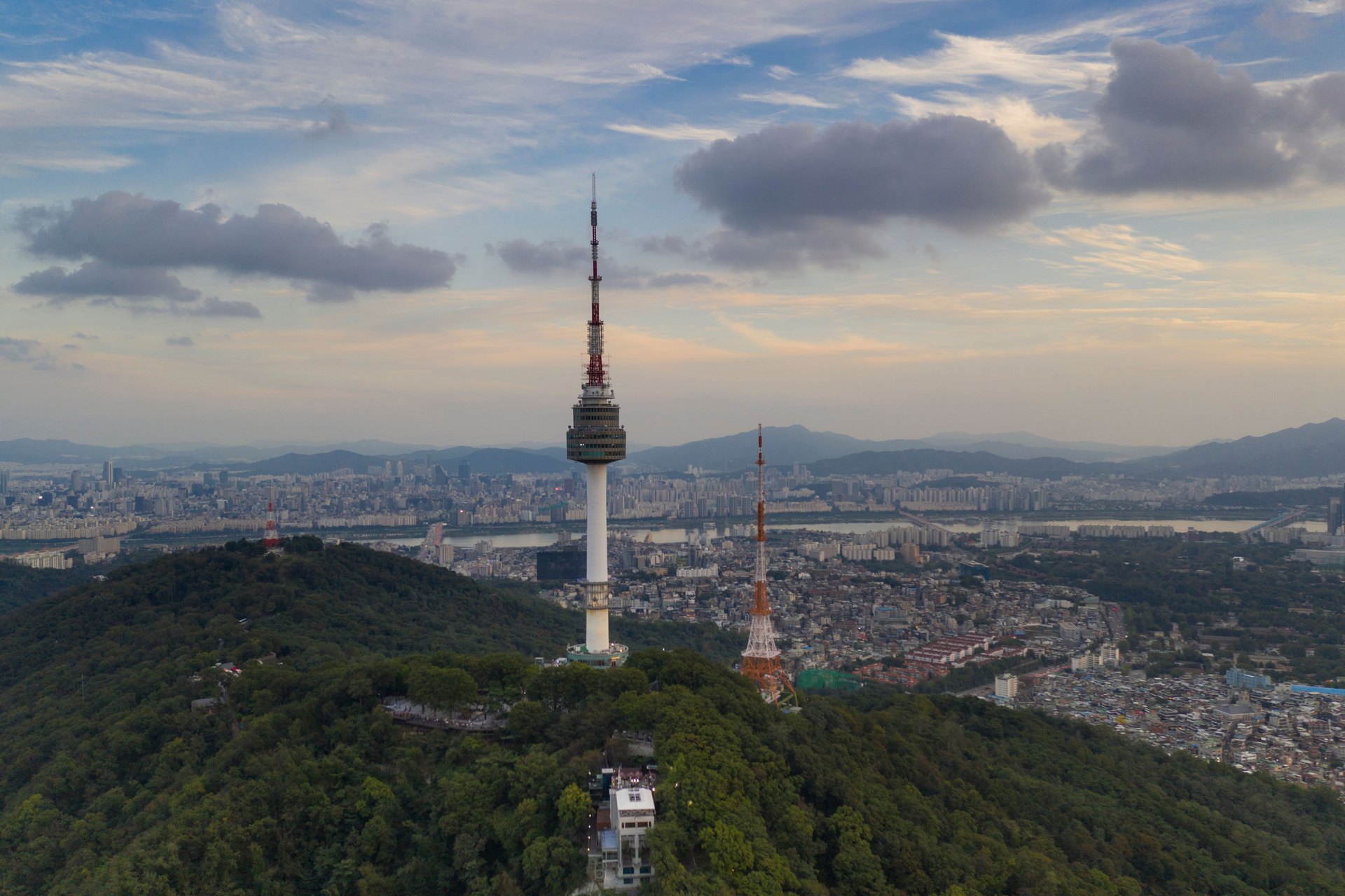
Quick answer
For most first-time visitors who want the classic Seoul loop (palaces, Bukchon, Insadong, Namdaemun, and central museums), Myeongdong is the easier base by geography. Pick Gangnam if your trip emphasizes southern Seoul (COEX, southern neighborhoods, business meetings) or you prefer a quieter, more modern-feeling zone. The table below summarizes the geography-first tradeoffs.
| Factor | Myeongdong (best for first-time central loop) | Gangnam (best for south-focused or business) |
|---|---|---|
| Core tourist loop access (palaces, Bukchon, Insadong) | Very good — short subway/walk hops | Indirect — requires transfers or longer rides |
| Southern Seoul / COEX access | Indirect | Direct and convenient |
| Walkability to restaurants/shops near central sights | High | Moderate (more spread out) |
| Transfer options (subway lines) | Strong for north-central transfers | Strong for east–south connections and expressways |
| Good if your plan is: | Classic 2–4 day first visit covering historic Seoul | Business, concerts, southern malls, or day trips south of the river |
How you actually choose should come down to which cluster of days dominates your itinerary rather than hotel branding or shopping reputation.
How I compare them: geography-first criteria
Focus on where most of your planned daytime activities sit. For a first visit, the densest cluster of “must-see” sights (Gyeongbokgung, Changdeokgung, Bukchon, Insadong, and nearby museums) sits north and slightly west of the Han River; a base near Myeongdong or Jongno reduces intra-day transit. If your list leans toward COEX, Gangnam shopping streets, or business districts and meeting locations south of the river, a Gangnam base will save commuting time. Also weigh luggage logistics (are you arriving late or switching hotels mid-trip?), walkability between evening activities, and whether you plan many point-to-point day trips that cross the river.
Which itineraries match each base
Myeongdong-first-visit examples: - Short 2–4 day loop: palace(s) + Bukchon + Insadong + Namdaemun market + Namsan Tower. - Museum- and history-focused days that keep you inside the central grid. Gangnam-first-visit examples: - Business or conference in southern Seoul; concerts or events at COEX. - Multi-day plans that include southern neighborhoods, Gangnam nightlife, or staged day trips toward southeastern suburbs. If your trip mixes both clusters roughly equally, weigh whether you prefer one long hotel stay with longer commutes or splitting the stay (see contingency below).
Transit and airport logistics (evergreen vs time-sensitive)
Evergreen: Seoul’s public transit covers both areas well; most visitors use a rechargeable transit card for buses/subway rides. The Seoul “Climate Card” (a transport-friendly card option) is promoted by the metropolitan government for public transit use [1]. Major airports offer multiple transfer options into central Seoul (airport railway, airport bus, taxis)—choose the one that connects directly to your intended neighborhood or to a transfer subway line [2] [3].
Time-sensitive: schedules, fares, and express services change. Verify the latest airport transfer times, routes, and operating hours on official pages before booking or assuming availability, especially for very early or late flights [2] [3].
Route-planning workbook: fields, buffers, and contingency
Use a simple spreadsheet (or the Seoul trip planner template) that forces a geography-first layout. Core columns to include: - Date - Morning plan (specific site + nearest subway station) - Midday plan (site + station) - Evening plan (site + station) - Primary neighborhood (for lodging logic) - Transit method between activities (walk / subway line(s) / taxi) - Estimated transit effort (Low/Medium/High) - Buffer (minutes) - Reservations needed (Y/N) - Backup plan / indoor alternative Practical buffer guidance (evergreen): assign a 30–60 minute buffer between major, non-adjacent activities to allow for subway transfers, ticket queues, and unexpected delays; increase to 60–90 minutes if you’re moving across the river or traveling with checked luggage. Use qualitative transit effort instead of exact travel time to avoid over-precision.
Spreadsheet formulas to help: - Count how many days are dominated by north/central vs south activities and flag the dominant base. - Sum days where “Primary neighborhood” = Myeongdong and compare to Gangnam; majority suggests your base. - Conditional formatting to highlight any day with “Reservations needed = Y” and no booking reference.
Contingency plan options: - If you arrive late or have a jet-lagged morning, swap a geometry-heavy day for a light neighborhood walk instead of forcing palace visits. - If the majority of your plans shift south during trip planning, consider a mid-trip hotel move for time savings, but include luggage transfer time and check-in windows in your plan. - Identify 1–2 indoor backup options per day (museum, mall) for bad-weather days.
Practical daily rhythms and neighborhood tradeoffs
Myeongdong advantages: compact walking loops for several headline sights and evening food markets; fewer cross-river transfers for core tourist days. Gangnam advantages: easier access to modern-commercial complexes, convention centers, and southern Seoul neighborhoods. Nightlife differs in style and spread; plan evenings as part of your geography-first spreadsheet so you don’t consistently add long returns after late events.
If you rely on public transit card top-ups, set a daily card-check step in your plan (balance check or automatic reload note). For airport arrival/exit choices that minimize transfers to your hotel, consult official airport transfer guides and choose the method that lands you nearest a subway transfer point for your base [2] [3].
SeoulSheets connection
Use the seoul trip planner template to implement the workbook fields above. The template already organizes days, neighborhoods, subway stations, and buffers so you can quickly see which base reduces intra-day transit. Read the neighborhood tradeoffs in more depth at where to stay in Seoul for the first time if you want a map-based complement to this geography-first decision.
Final take
For a first-time visit focused on the classic Seoul sightseeing loop, Myeongdong wins by geography: it puts the densest cluster of must-sees within shorter, simpler commutes. Choose Gangnam only if your trip is anchored to southern Seoul activities, meetings, or venues. Build your daily plan in a spreadsheet, count which neighborhood dominates your days, set practical buffers (30–90 minutes), and keep one flexible contingency (hotel move, indoor backup) in case plans shift. Verify time-sensitive transport or reservation details on official sites before you finalize bookings.
Official checks: