
Gimpo Airport to Myeongdong, Hongdae, and Gangnam: Subway and Taxi Options
A practical, map-aware guide to gimpo airport to myeongdong, hongdae, and gangnam: subway and taxi options.
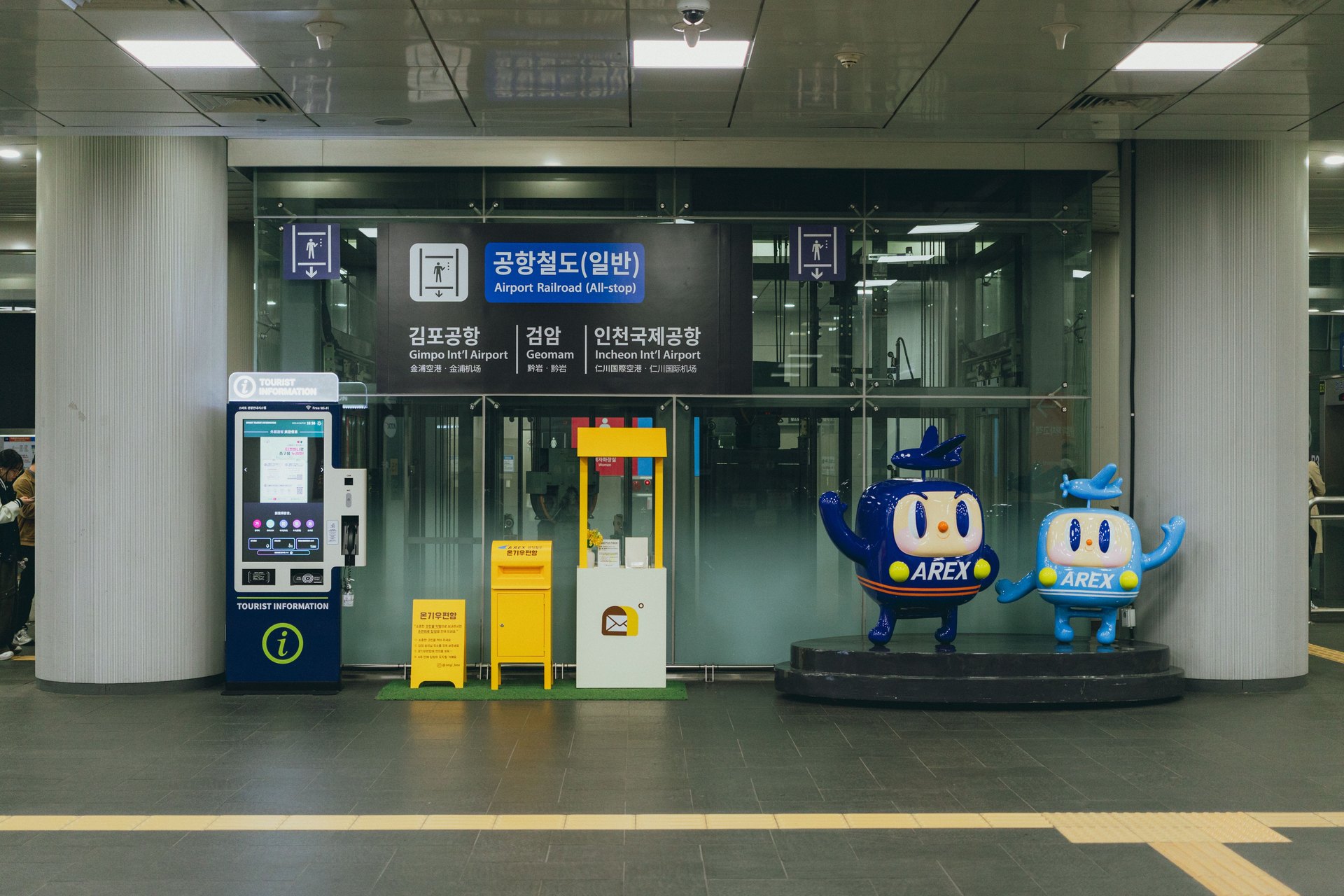
Quick answer
From Gimpo Airport to Hongdae, Myeongdong, or Gangnam you can choose subway (most economical and often predictable for central Seoul) or taxi (door-to-door, better with heavy luggage or late-night arrivals). Subway routes typically need 0–2 transfers depending on destination and service chosen; taxis eliminate transfers but travel time is traffic-dependent. Check live schedules and route planners before you travel; see the naver kakao map planner to test options for your exact arrival time and luggage needs. naver kakao map planner [1] [2]
How to compare the three destinations quickly
Think in three dimensions: transfers (how many line changes or platform walks), luggage (stairs/elevators and carrying distance), and arrival time reliability (fixed schedule vs. traffic variability). Hongdae (Hongik University area) is usually the simplest by rail from Gimpo. Myeongdong often requires one transfer into central subway lines. Gangnam is on the opposite side of the river and usually needs one or two transfers by subway or a taxi for the simplest door-to-door move. These are general patterns; confirm details on the day you travel. [1] [2]
At-a-glance choices
| Destination | Typical subway transfers | Luggage friendliness | Reliability (time of arrival) | Recommended when... |
|---|---|---|---|---|
| Hongdae (Hongik Univ.) | 0–1 | Good — short walks, elevators at major stations | High — regular service, less traffic impact | You want cheap + quick with moderate luggage |
| Myeongdong | 1 | Moderate — transfers and station stairs possible | High on trains, variable if taxi | You want central shopping and don’t mind one transfer |
| Gangnam | 1–2 | Moderate–poor — longer transfers, stairs in some stations | Variable — train more reliable vs. heavy traffic | You prefer convenience over cost or arrive late |
Notes: “Typical subway transfers” are a planning estimate; exact transfers depend on which trains you catch and schedule. Verify live routes before you leave. [1] [2]
Subway vs taxi: practical trade-offs
Subway - Pros: Predictable frequency, unaffected by road traffic, cheaper, elevator access at most major stations. Good for daytime arrivals and smaller luggage. - Cons: Transfers can be awkward with heavy suitcases; some stations have long platform walks or stairs. Late-night service may be less frequent; check schedules.
Taxi - Pros: Door-to-door, no transfers, easier with oversized luggage or small children. Convenient for late arrivals when train frequency drops. - Cons: Time varies by Seoul traffic (rush hours, holidays). More expensive. You may need a larger taxi for multiple big suitcases.
For both options confirm station exit numbers and taxi pick-up points in advance using the planner link and the airport transfer guide. naver kakao map planner [1] [2]
Route-planning spreadsheet workflow (fields, buffers, choices, contingency)
Create a simple spreadsheet to compare options for each destination. Columns to include: - Arrival date & time - Flight arrival terminal (domestic/international at Gimpo) - Destination neighborhood and preferred station (e.g., Hongik Univ., Myeongdong Station, Gangnam Station) - Mode (Subway / Taxi) - Planned route (main lines and transfer stations) - Estimated in-transit time (min — low/high) - Number of transfers and walking distance (short/medium/long) - Luggage level (light / 1 large / 2+ large) - Cost estimate (range) - Buffer to add (minutes) - Contingency plan (see below) - Final decision (yes/no) and notes
Buffers to set: - Minimum 20–30 minutes buffer between scheduled flight arrival and leaving the terminal for domestic flights; 30–60+ minutes for international depending on passport/immigration and baggage. Increase buffer during peak hours and if you need to buy a transit card or exchange money. - Add +20–40% to subway walking/transfer times if you have large suitcases or mobility needs.
Choices to make: - If luggage is 2+ large suitcases or arrival after midnight — bias toward taxi. - If rail route has 0–1 short transfers and you value predictability/cost — choose subway. - If arrival is during morning/evening rush hour — consider taxi only if you are comfortable with variable travel time and higher cost.
Contingency plan (add in the spreadsheet): - Primary: Subway route with platform/exit numbers noted. - Backup A: Taxi (phone apps or airport taxi stand) with estimated fare range and larger-taxi option noted. - Backup B: Airport limousine bus (if available for your destination) or hotel pickup. Confirm availability before arrival.
Use the naver kakao map planner to simulate the exact departure time and get walking/transfer details for the day you arrive. This helps set realistic in-transit time ranges and transfer counts. naver kakao map planner
Timing vs evergreen strategy
Evergreen strategy: Plan flexibly around three questions — how many transfers you can comfortably handle with your luggage, whether you need door-to-door service, and how much buffer you’ll accept for traffic or delays. Keep a spreadsheet of decisions and buffers so you can change modes last minute.
Time-sensitive facts: Train frequencies, platform assignments, service changes, fares, and late-night operation vary. Always verify live timetables and station details using official transport pages or the naver/kakao planner before departure. The airport and tourism sites list current public-transport options and should be consulted for the latest service changes. [1] [2]
SeoulSheets connection
If you’re planning multiple arrivals or coordinating a group, use this article alongside the SeoulSheets planning checklist and the related Gimpo airport transfer planning post. Put the spreadsheet fields above into a reusable SeoulSheets tab: one row per arrival, drop-downs for destination and mode, and conditional formatting that highlights “Taxi recommended” when luggage >1 and arrival time is after subway operating hours. Link each row to the naver kakao map planner results for live verification.
Final take
For most travelers with one medium suitcase, subway from Gimpo to Hongdae or Myeongdong is the economical, reliable choice with 0–1 transfers; Gangnam usually requires more transfers so weigh a taxi if you value luggage ease or arrive late. Use the spreadsheet workflow, add sensible buffers, and confirm live schedules on official sources before you go. If you need help setting up the spreadsheet or want a printable checklist tailored to your group size, use the planner link and the related transfer guide to finalize decisions. naver kakao map planner Gimpo airport transfer planning
Official checks: