
Gyeongbokgung Palace Guide: Tickets, Guard Ceremony, Hanbok, and Entry Timing
A practical, map-aware guide to gyeongbokgung palace guide: tickets, guard ceremony, hanbok, and entry timing.
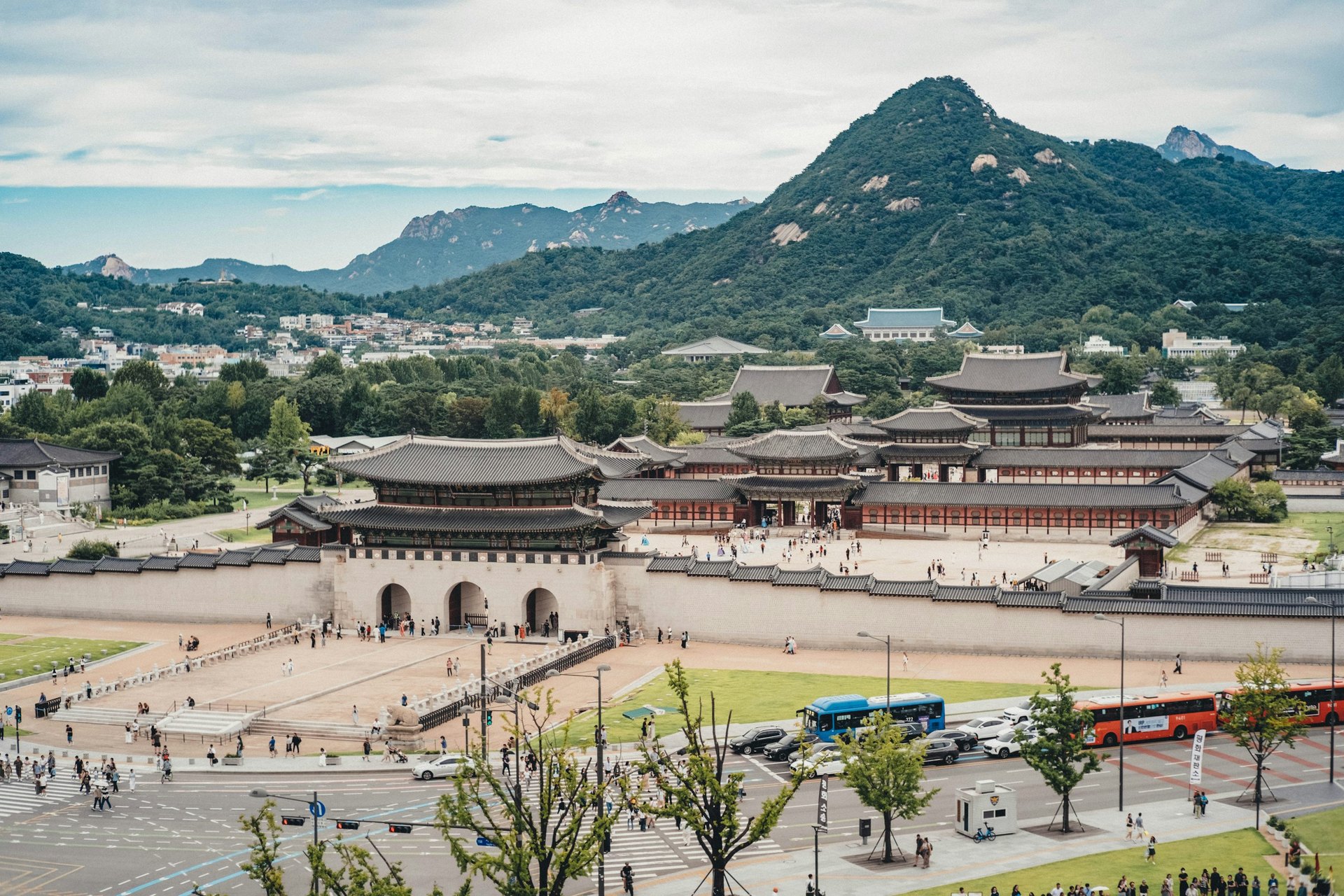
Quick answer Go to Gyeongbokgung with a clear time window and a small on-site buffer: plan 60–120 minutes inside, arrive 30–45 minutes before any planned guard-changing ceremony you want to watch, and verify the ceremony and ticketing on official palace pages the morning of your visit. If you plan to wear hanbok, reserve rental pickup and return times so your styling and transit fit the palace entry window. Use a short spreadsheet or the seoul trip planner template to lock in arrival, ceremony, transit, and contingency slots.
When to arrive and how long to plan Evergreen strategy: allow 60–120 minutes to see Gyeongbokgung at a relaxed pace—main gates, Geunjeongjeon (throne hall) views, courtyards, and the National Folk Museum if you choose to enter. Peak-season crowds and photo sessions (especially with hanbok) add time, so add 30–45 minutes on weekends and holidays. Time-sensitive items you must verify before travel: opening hours, ticketing method, and whether special events or closures affect access—check official sources on the day you go. [1] [3]
Guard-changing ceremony: verify and plan The changing (or guard) ceremony is a highlight but is scheduled and operated by palace authorities; schedules and locations can change for maintenance or public events. Do not rely on published times from third-party guides—confirm the latest program and any seasonal adjustments with the Royal Palaces and Tombs Center or the palace information pages before you go. If the ceremony is your main aim, plan to arrive 30–45 minutes early to secure a good viewing spot and to factor in photo crowds. If it’s canceled, have a backup plan (see contingency below). [3]
Hanbok and entry logistics Wearing hanbok makes great photos and often speeds entry through crowds but rules about admission or special entry lanes are time-sensitive and handled by the palace operator. Before booking a rental, check whether the palace offers any hanbok-friendly entry policies on the official page and confirm where rental shops are relative to Gyeongbokgung so you can coordinate pickup. For a quick primer on renting and timing, see the related guide: Seoul palace guide and hanbok rental.
Practical hanbok tips: schedule your rental pickup 60–90 minutes before your planned palace arrival if you need time for dressing; allow a 15–30 minute buffer to walk or take the short subway ride to the palace; carry minimal bags (many rental shops provide lockers).
Route plan and spreadsheet workflow Use a compact spreadsheet (or the seoul trip planner template) with these columns to plan the visit precisely: - Date - Palace visit window (start — end) - Arrival target (time) - Ceremony targeted? (Y/N) + ceremony name - Hanbok pickup (time + shop) - Transit method & typical time (subway/walk/taxi) - Onsite buffer (recommended 30–45 min) - Next stop & transfer time - Contingency action (if closed/cancelled) - Notes (tickets purchased? special exhibits?)
Buffer guidance: set at least 15 minutes for short subway rides, 30 minutes for cross-city taxis during peak traffic, and 30–45 minutes onsite if you plan photography or crowds. Choices to make: ticketed entry vs. guided tour; whether to prioritize the ceremony (arrive earlier) or to prioritize slower, more detailed palace exploration (arrive later and skip the crowd for the ceremony). Contingency plan: if the ceremony is canceled or the palace restricts access, redirect to a nearby cultural stop (see next section) with a preset fallback window on your spreadsheet so you don’t lose time.
Nearby stops and pacing Pair Gyeongbokgung with a short, walkable route: Gwanghwamun Square in front of the palace, the Blue House view corridor, and Bukchon Hanok Village for hanok streets and photos. Bukchon is a short walk from the palace and is an effective fallback if the palace ceremony is canceled or you want quieter streets after the palace crowd—still check official neighborhood access guidance before entering residential streets. [2]
If you have extra time, slot 45–90 minutes for Bukchon or the National Folk Museum adjacent to Gyeongbokgung. Plan transit windows between stops on your spreadsheet rather than fixed minutes; for example, mark a 30–45 minute transfer slot between palace exit and Bukchon to account for photos and crowds.
SeoulSheets connection Use the seoul trip planner template to build a single-day sheet that drives your decision-making: column-driven checkboxes for “Ceremony confirmed,” “Hanbok reserved,” and “Tickets purchased,” plus live notes for on-the-ground changes. Recommended sheet fields: Arrival ETA, Actual Arrival, Time Spent, Photo Session minutes, Backup Stop executed (Y/N), and Expense lines for rentals and transport. Set conditional formatting to flag entries where buffer < planned buffer so you can re-route quickly.
Contingency examples to record in your sheet: if ceremony canceled — swap to Bukchon (45–90 min) or the National Folk Museum (60 min); if hanbok pickup delayed — postpone palace arrival by your haircut/hairpin buffer or skip the museum to keep the ceremony slot.
Final take Gyeongbokgung is best experienced with a short, disciplined plan: pick a clear arrival window, verify the ceremony and ticket rules on official palace pages the day of travel, coordinate hanbok timing with rental shops, and use a compact spreadsheet to lock in buffers and backup stops. This approach keeps your morning unhurried and gives you a clear contingency if schedules change.
Official checks: