Hongdae vs. Myeongdong: Where to Stay for Nightlife, Shopping, and Airport Access
A practical, map-aware guide to hongdae vs. myeongdong: where to stay for nightlife, shopping, and airport access.
Quick answer Choose Hongdae if you want late-night live music, a younger crowd, and faster access to budget nightlife and indie venues. Pick Myeongdong if your priority is heavy daytime shopping, central hotel options, and straightforward transfers for luggage-heavy arrivals or departures. Both are well connected to Seoul’s airport transport network; exact transfer choice depends on flight time, luggage, and how much you want to walk with bags.
Arrival convenience: airports and transfer options Both neighborhoods plug into Seoul’s public-transport network and have practical options to reach Incheon and Gimpo airports: subway/AREX, airport buses, and taxis. Hongdae sits at Hongik University station, which is served by AREX and multiple subway lines; Myeongdong is centrally located with short transfers to Seoul Station and bus corridors that serve airport routes. For late-night or early-morning flights, plan a taxi or private transfer if trains/buses don’t run at your time—verify timetables before booking. For official routes and the latest airport transfer options, check the Korea Tourism Organization and Incheon Airport pages before you travel [1] [2] [3].
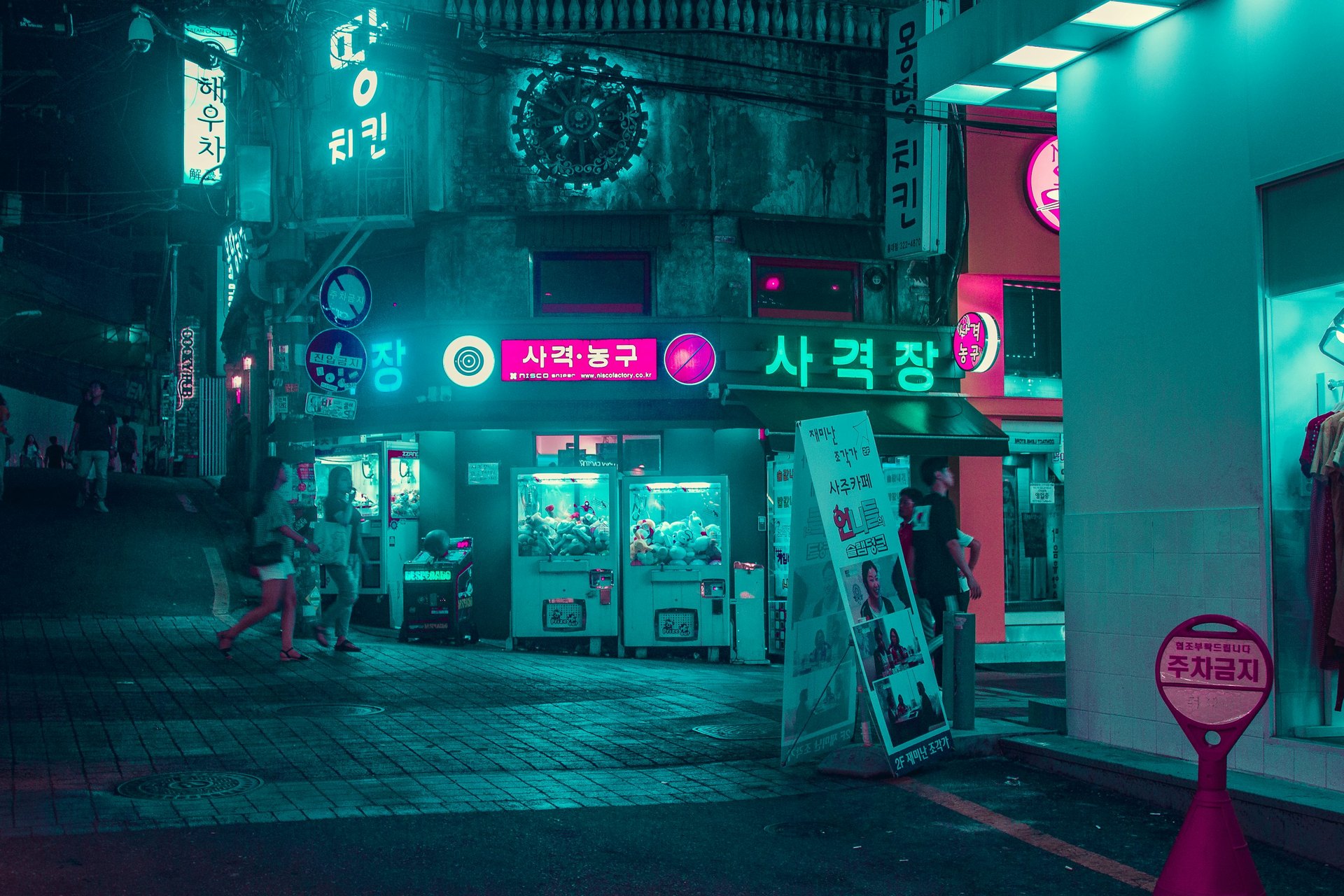
Evening style and noise: what nights will feel like Hongdae is clustered around narrow streets with bars, live clubs, busking zones, and late-night eateries; expect activity into the small hours and a more bohemian, club-oriented scene. Myeongdong’s evenings are brighter but cleaner: many stores close earlier, but main streets remain lively with street food stands and tourists into the evening. If you need guaranteed quiet nights for sleep, prioritize higher-floor rooms, a hotel with good soundproofing, or quieter streets off the main nightlife arteries in either neighborhood.
Shopping and daytime rhythms Myeongdong is the classic choice for cosmetics, fashion chains, and heavy-duty daytime shopping with long commercial streets and department stores close by. Hongdae’s daytime vibe leans toward independent boutiques, vintage stores, and cafés—better for browsing unique finds and relaxed café-hopping. If you plan multiple full shopping days, Myeongdong reduces intra-city transfers; if your days mix museums, markets, and independent shops, Hongdae’s easy connections to other trendy neighborhoods can be more convenient.
Sleep, lodging tradeoffs, and hotel selection tips Hotel choice matters more than neighborhood name. In Hongdae, small guesthouses and boutique hotels are common; in Myeongdong, expect larger hotels and international chains. For quiet sleeps: - Ask hotels about noise, window type, and whether rooms face the street. - Request a room facing away from main nightlife streets or higher floors. - If arriving late or departing very early, select accommodation with a 24-hour front desk and luggage storage options.
Evergreen: always confirm room details, cancellation rules, and luggage storage directly with the property. Time-sensitive: check current guest reviews and hotel policies close to your trip date.
Quick comparison table | Factor | Hongdae | Myeongdong | |---|---:|---:| | Airport transfers | Direct AREX access at Hongik Univ. and good bus/taxi options | Short transfer to Seoul Station/airport buses; lots of hotel pick-up points | | Nightlife | Lively, late, indie clubs and street performances | Brighter, tourist-friendly evening food stalls and shopping | | Shopping | Independent stores, vintage, cafés | Major cosmetics, fashion chains, department stores | | Sleep/noise | Can be noisy—choose room carefully | Generally quieter at night once shops close, but busy streets remain | | Best for | Nightlife-focused, youthful trips | First-time shoppers, luggage-heavy travelers |
Route-planning spreadsheet + contingency workflow Create a simple route-and-decision sheet (Google Sheets or Excel). Recommended fields per row: - Date - Day plan (main activity) - Base (Hongdae / Myeongdong) - Start time - Transit mode (subway / AREX / airport bus / taxi) - Transfer locations (station names) - Luggage? (yes/no) - Buffer (minutes) - Hotel check-in/out times - Backup transport (taxi company, ride-hailing app, private transfer)
Buffers and rules of thumb: - Airport-to-hotel: set a 30–60 minute buffer beyond public-transit scheduled time when you have bags or tight connections. - Nightlife return: add 30–45 minutes buffer for walking, waiting for taxis, or last subway. - Check-in: allow for slower arrivals (especially international flights) — enter official hotel check-in time and plan a contingency.
Choices to make in the sheet: - If flight arrives late, mark “Taxi or private transfer” as default. - If staying near subway lines with AREX stops, mark “Train” as primary for daytime arrivals. - Mark whether you want to be within walking distance of your evening venue; otherwise plan a short taxi.
Contingency plan (write into its own sheet tab): - If trains stop running: taxi contact + estimated fare range (verify locally). - If hotel can’t store luggage: nearest 24-hour locker or storage service (add address). - If weather cancels outdoor plans: list indoor alternatives (malls, museums).
For mapping and route assembly, use the naver kakao map planner to plot multi-stop days and confirm walking times; add the planner links in your sheet for each route segment.
SeoulSheets connection If you’re still deciding by travel style, see our broader guide: where to stay in Seoul by trip style for examples matching honeymooners, shoppers, food-focused travelers, and business visitors. Use SeoulSheets’ neighborhood grids to pick the base that makes your intended day plans shortest and simplest.
Official checks: