
How Early to Arrive at Incheon Airport for an International Flight
A practical, map-aware guide to how early to arrive at incheon airport for an international flight.
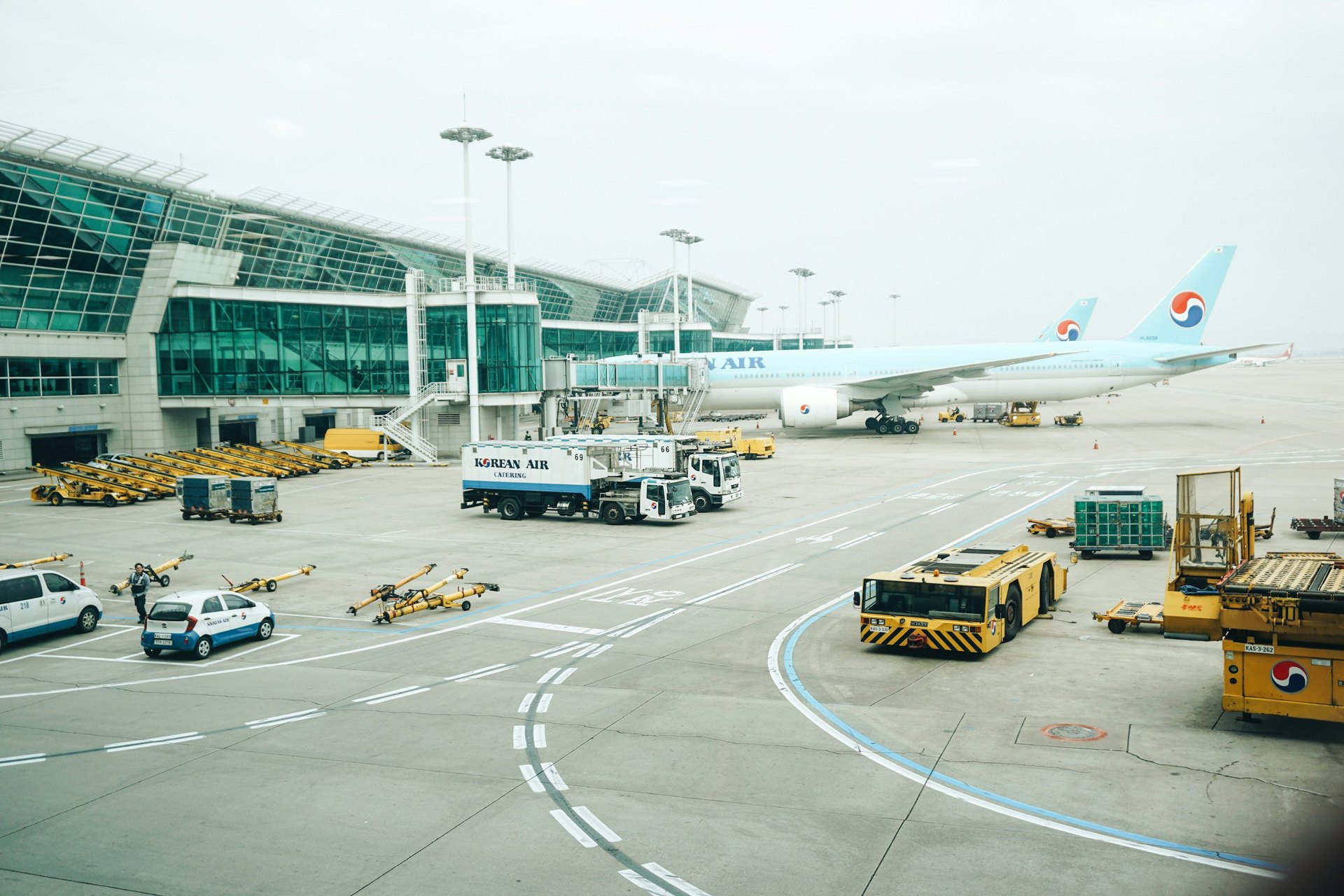
Quick answer There’s no single correct “how early” that fits every Seoul trip. Use your airline’s official minimum check-in/security guidance as the baseline, then add transit, baggage, terminal-transfer, and peak-day buffers to create a conservative arrival target. Plan that target with a simple spreadsheet and confirm any time-sensitive rules (check-in close times, counter opening, transit schedules) on official sources before you travel. For route timing in Seoul use the Naver/Kakao map planner to estimate door-to-door transit time and variations: /planner/naver-kakao-map-planner.
When to start planning Begin assembling timing details as soon as you book the flight. Key time-sensitive items to verify directly with providers are the airline’s check-in and boarding close times, the terminal assigned for your flight, and public-transport timetables or express bus schedules. Incheon Airport and Korea tourism pages list public-transport options and typical routes; use them to estimate how long transit to the airport will take from your location and to check alternatives if a primary route is disrupted [1] [2] [3].
A conservative timing framework (no exact promises) Rather than a single hour, build a layered framework: - Baseline: the airline’s stated minimum arrival/check-in guidance for international departures (always confirm with the airline). - Transit buffer: time to reach the terminal, including walking from drop-off or transfer stops, and contingency for traffic or train delays. - Baggage buffer: add extra time if you must check bags, because check-in and bag-drop queues can be variable. - Terminal-transfer buffer: if you land at or depart from a different terminal or must transfer between domestic/international terminals, add allowance for internal transfer procedures. - Peak-day buffer: increase your total during holidays, weekend peak hours, and morning/evening peaks. - Personal buffer: a comfort margin for non-time-critical needs (food, restroom, last-minute purchases).
To keep this conservative yet practical, treat each buffer as a qualitative addition (small/moderate/large) driven by your risk tolerance and the travel day’s conditions rather than a single fixed hour. Verify all time-sensitive facts (e.g., check-in cutoffs) with official airline or airport sources before departure.
| Scenario | Key factor(s) to check | Buffer to add (conservative) |
|---|---|---|
| Online check-in + carry-on only | Airline boarding close time; transit reliability | Small |
| Checked baggage | Bag-drop cutoff; queue patterns | Moderate |
| Terminal transfer (domestic→international) | Internal transfer time and shuttle frequency | Moderate–Large |
| Late-night or very early flight | Night transport options availability | Moderate–Large |
| Peak holiday travel | Expected crowds, holiday schedules | Large |
Concrete route-planning / spreadsheet workflow Create a single-sheet spreadsheet (or note in your planner app) with these fields and use formulas to flag risk: - Flight number - Scheduled departure (local) - Airline stated check-in/boarding close time (copy from airline confirmation) - Terminal (airport message or airline) - Transit option chosen (AREX, express bus, airport limousine, taxi) — estimate door-to-terminal time using /planner/naver-kakao-map-planner - Transit variability (Low / Moderate / High) — mark based on time-of-day and transport mode - Baggage? (Yes/No) - Estimated queue risk (Low / Moderate / High) - Planned arrival time at terminal (your calculated target) - Contingency window (time you must preserve to switch to alternate transport or rebook)
Workflow: 1. Paste the airline check-in cutoff into the sheet. 2. Use the planner to get median transit time and add a variability level to estimate a range. 3. Select baggage and queue-risk to choose small/moderate/large buffer adjustments. 4. Calculate your planned arrival: latest safe arrival = airline cutoff minus your personal buffer; set your target arrival earlier than that based on buffers. 5. Color-code rows where the contingency window is less than your minimum acceptable margin.
Contingency plan (add as separate sheet or note): list alternate train/bus lines and a taxi fare estimate, plus phone numbers and the airline’s online change/contact portal. If you face a transport delay en route, contact the airline *before* you arrive if you expect to miss check-in; ask about rebooking policy via the airline’s official channels.
Day-of contingencies and simple rules to follow If you hit delays, prioritize: 1) confirm your boarding status with the airline app or counter, 2) preserve proof of delay (train/bus service advisories, photos of traffic) if you must request leniency, 3) be ready to switch to a faster transport mode (taxi or express bus) if the spreadsheet contingency allows. Bring a portable battery, a downloaded boarding pass, and any preprinted confirmations that show advance check-in or baggage prepayment. For long pre-flight gaps (early arrival or long minimum connection), review short-term luggage options in Seoul so you can move freely before departure: see the Seoul luggage storage guide for long-term lockers and delivery options (/blog/seoul-luggage-storage-long-term-lockers-delivery).
Evergreen strategy vs time-sensitive facts: the layered buffer method and spreadsheet workflow are evergreen. Transport timetables, terminal assignments, check-in and boarding close times are time-sensitive—always verify those directly with the airline, Incheon Airport, or your local transport provider before you go [2] [3].
SeoulSheets connection Seoul Sheet Buddy’s planning tools are built for this exact decision: use the map planner (/planner/naver-kakao-map-planner) to extract live door-to-door transit time and paste it into your sheet. If you’re using our printable trip checklist, add the fields above to the header so every flight row carries its own buffer logic. If you need luggage solutions for arriving in Seoul early or after storage while you sightsee before your flight, consult the Seoul luggage storage guide (/blog/seoul-luggage-storage-long-term-lockers-delivery) for practical storage and delivery options.
Final take Don’t rely on a single number. Use your airline’s official guidance as the mandatory baseline, then layer transit, baggage, terminal-transfer, peak-day, and personal buffers into a simple spreadsheet or planner. Confirm every time-sensitive element (check-in cutoffs, terminal, transport timetables) with official sources the day before travel. That disciplined, conservative approach gives you decision-ready targets without promising an exact universal arrival time.
Add it to your working plan
Record the operational choice and its buffer in the Naver and Kakao map planner before you treat it as fixed. Pair that row with the Seoul luggage storage guide so your route and contingency notes stay together.
Official checks: