
Incheon Airport Terminal 1 vs. Terminal 2: Transfers, Meeting Points, and Arrival Planning
A practical, map-aware guide to incheon airport terminal 1 vs. terminal 2: transfers, meeting points, and arrival planning.
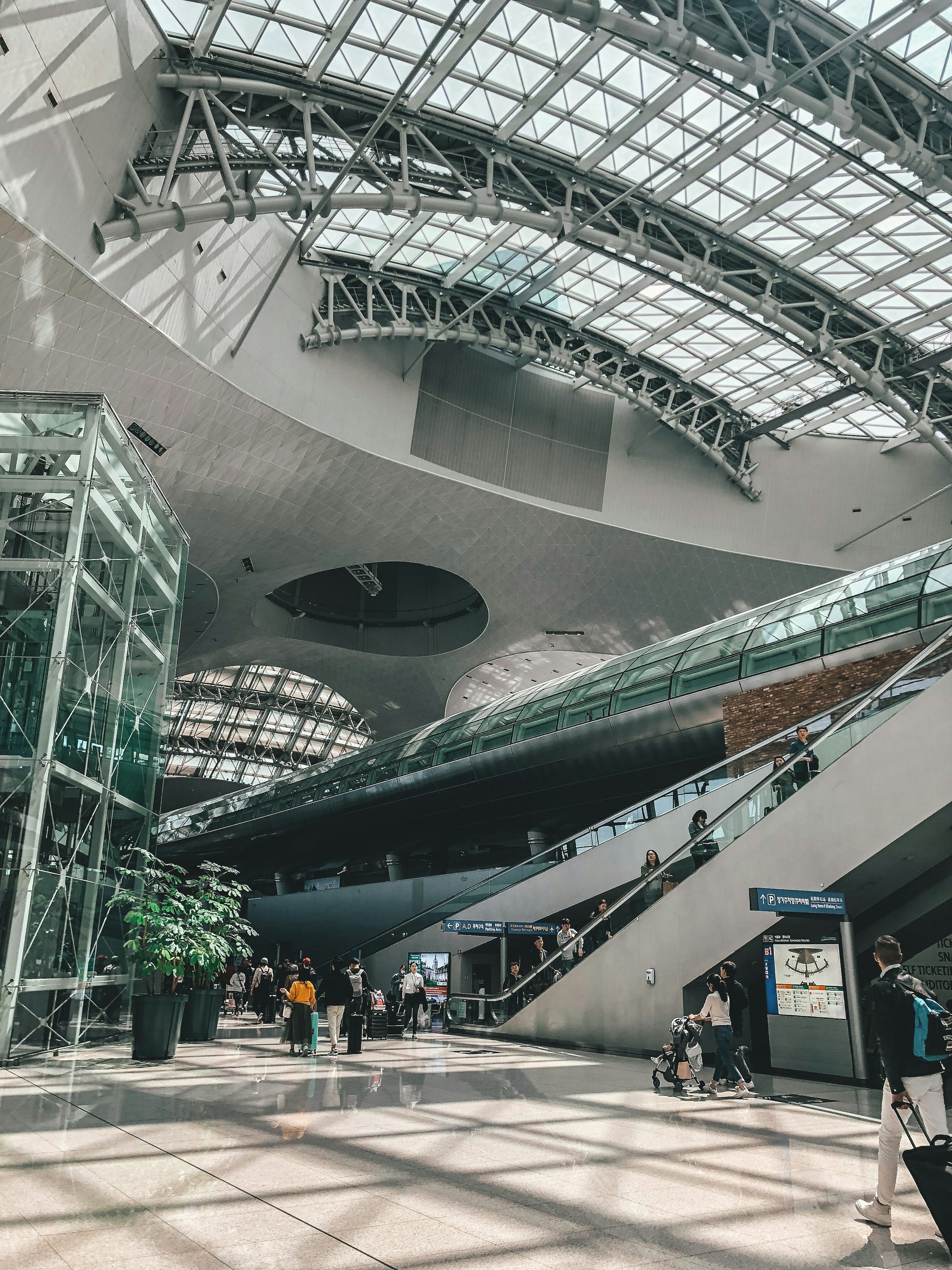
Quick answer
If your group arrives split between Incheon Airport Terminal 1 and Terminal 2, plan around separate arrival halls and ground-transport zones, pick a single, clearly signposted meeting point, and build a simple shared spreadsheet or map plan so everyone knows the terminal, arrival door, and backup meeting spot. Confirm time-sensitive details (train stops, bus lines, and gate changes) with the airport or transport operator before travel. [3] [1]
Terminal layout and why it matters
Terminal 1 and Terminal 2 are distinct arrival/check-in halls within the same airport complex; each has its own public-transport access, baggage halls, and passenger facilities. That separation means arriving parties can end up separated by several minutes to much longer if one set of travelers needs a different terminal transfer method (for example, a different bus or a terminal-specific train stop). For current terminal services, rail and bus connections, and platform or stop locations, check the airport’s official transport pages before you go. [3] [2]
Best meeting points and signage to use
Use a single, simple meeting point that’s easy to find in either terminal: the official “Meeting Point” signage, an arrivals information desk, or a major branded cafe visible from the arrivals hall. Give every traveler a one-line instruction: terminal + door number or named landmark + a photo or screenshot from your map tool. If you expect jet-lagged or delayed arrivals, choose an indoor, sheltered point near the baggage area so people don’t loiter on the curbside.
Keep one backup: a nearby transport node (e.g., the AREX station entrance or a specific bus stop) or the airport information desk. Everyone should save a screenshot of the backup location and the airport customer-service phone number. Confirm live platform, gate, or stop changes with official sources on the day of arrival. [3]
Choosing transport: which terminal fits your plan
Use the table below to match your priorities (speed, luggage handling, group size) to typical transfer choices from each terminal. This is a strategic comparison — verify schedules, fares, and platform locations before booking.
| Priority | Terminal 1 | Terminal 2 |
|---|---|---|
| Direct rail to central Seoul | Served by airport rail; check current stop names and service types before travel [3] | Served by airport rail; some services stop at Terminal 2 station instead of Terminal 1 — verify on the day [3] |
| Airport limousine bus options | Multiple lines serve Terminal 1; routes differ by destination in Seoul — confirm line numbers [2][3] | Also served by airport buses, but lines and stops may not be identical to Terminal 1 [2][3] |
| Taxi/ride-hail pickup | Large curbside taxi area with multiple pickup points | Dedicated curbside pickup; signage differs from Terminal 1 |
| Best for tight meeting windows | Choose the terminal where the majority lands or where public-transit connections match both parties’ plans (check live status) | Same rule applies — pick the terminal with the most convenient onward option for your group |
For transfer and service details on routes and operators, use airport and tourism sources on the day you travel. [3] [2]
Transfer planning spreadsheet: fields, buffers, choices, and contingency plan
Create a shared spreadsheet (or use naver kakao map planner to pin locations) with these columns:
- Traveler name
- Flight number (arrival)
- Terminal (T1 or T2)
- Scheduled arrival time (local)
- Status (on-time/delayed — update as you get messages)
- Baggage claim (if known)
- Primary meeting point (e.g., “T1 Arrivals — Info Desk A”)
- Backup meeting point (e.g., “AREX T1 station entrance”)
- Planned onward transport (AREX / bus line / taxi / transfer company)
- Contact phone / messaging app + last-update timestamp
- Notes (mobility needs, extra luggage, SIM/eSIM info)
Buffers to set: choose a buffer level per trip day depending on season and group risk-tolerance. Use conservative buffers if multiple connecting flights, lots of luggage, or night arrivals are involved. Suggested buffer categories (for planning, not operational guarantees): low, medium, high — and translate them into minutes or hours that suit your group. Label each arrival row with which buffer you used.
Choices to make in the sheet: whether to meet inside arrivals (safer if customs allow) or curbside (faster for pickups); whether to pre-book transfer vehicle(s) or rely on public transit; and whether the party should move to a single terminal after first contact (one group waits while the other starts the onward journey).
Contingency plan (add as final column or a pinned note): if one party misses the meeting or a delay occurs, the contingency should specify a single fallback: move to the backup meeting point, call the airport information desk, or take the first safe public-transit option and rendezvous later at the hotel. Add a cell with “Plan B phone” and the address of the nearest major transfer hub.
Always assign one person as the “on-the-ground” coordinator with authority to make real-time decisions and to update the spreadsheet.
SeoulSheets connection
If you want to turn the spreadsheet plan into map pins and walking/driving directions for each meeting point, use the naver kakao map planner to create shareable routes and screenshots. Link those map pins back into your spreadsheet so every traveler can open directions on their phone. Also consult the Seoul airport transfer guide for transfer options to common hotel districts; that guide explains hotel-area drop-offs and typical transfer patterns that will help you pick the terminal-based onward transport you want.
Evergreen vs time-sensitive details
Evergreen: pick a single, obvious meeting point; share a clear spreadsheet with names, flights, terminals, and a backup; use map screenshots; and assign a coordinator. These strategies work any season or operational setup.
Time-sensitive: specific train stops, bus line numbers, platform locations, schedules, fares, and operational notices change frequently. Always verify those live details using the airport or operator pages, airline updates, or official travel sites on the day you travel. Do not rely on fixed timetables pulled from memory.
Official checks: