
Incheon Airport to Gangnam: Bus, Train, Taxi, and Private Transfer Compared
A practical, map-aware guide to incheon airport to gangnam: bus, train, taxi, and private transfer compared.
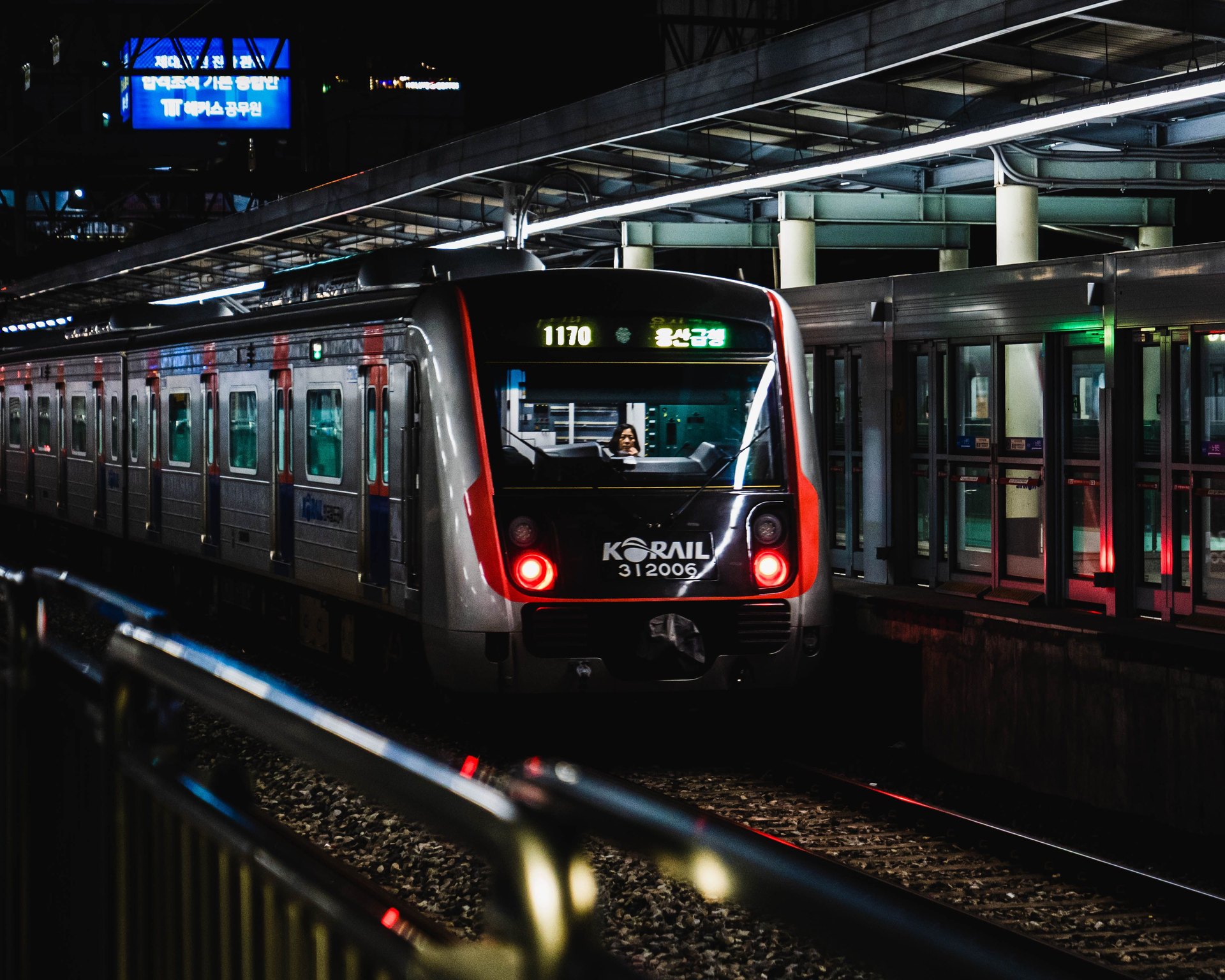
Quick answer For door-to-door ease with luggage, a taxi or prebooked private transfer wins: it's the simplest but most expensive option. If you prioritize cost and don't mind carrying bags through stations, rail (AREX + subway) is fastest on paper but requires at least one connection and more walking. Airport limousine buses strike a middle ground—they're luggage-friendly and drop you near major hotels/Gangnam stops without station transfers but can be slower in traffic. Use the table below to match your priorities, then follow the spreadsheet workflow to lock the plan.
How the options compare | Mode | Best for | Pros | Cons | |---|---:|---|---| | Airport limousine bus (to Gangnam) | Travelers with moderate budget and lots of bags who want minimal transfers | Luggage-friendly, fixed stops in Gangnam, no train transfers | Traffic-dependent; less flexible pickup times than a taxi [1] [3] | | AREX + subway/local train | Budget-focused travelers or those confident with Seoul rail | Often fastest in peak traffic; lower cost | At least one transfer, stairs/escalators, luggage handling across platforms [3] | | Taxi (metered) | Small groups or door-to-door convenience without prebooking | Direct to address, simple with bags | Cost varies with traffic and time; fares are time-sensitive — check official sources [3] | | Prebooked private transfer | Groups, early-morning arrivals, or those wanting guaranteed pickup | Driver meets you, assistance with luggage, predictable service | Higher cost; reservation required |
(Use official service pages for up-to-date route lists, stops and any reservation rules.) [1] [2] [3]
Rail (AREX + subway): when to pick it and what to expect Rail is attractive when you want to avoid road traffic and prefer a predictable moving time, but expect transfers. AREX links Incheon Airport to Seoul stations; from there you will change to the Seoul Metro to reach Gangnam-area stations. That transfer is the trade-off: fewer taxi costs, more walking and luggage handling. If you travel light, can lift or roll bags up ramps/escaliers and are comfortable reading station maps, rail keeps costs low and avoids congestion. For the latest AREX stops and service notices, verify the airport or operator pages before you go. [3]
Airport limousine bus: practical middle ground Limousine buses stop at major hotels and transport hubs around Gangnam, so you usually avoid carrying bags across platforms. Buses run regular schedules but are subject to traffic, so plan extra time for peak hours or bad weather. For arrivals late at night (after subway closes) the limousine or taxi may be your only reliable options; see the late-night Seoul transport guide for the night-time picture. Check the airport or Visit Seoul pages for which bus numbers serve Gangnam and where they stop. [1] [3]
Taxi vs private transfer: quick rules to choose A metered taxi is the simplest on arrival if cost isn’t a primary concern and you want immediate departure. Private transfers are worth it for peace-of-mind—especially with multiple passengers, very early/late flights, or complicated hotel entrances. Both offer true door-to-door service; the main decision points are price, predictability, and whether you want someone waiting if your flight is delayed. Because fares and reservation rules change, confirm current rates and booking requirements on the airport site or service provider before booking. [2] [3]
Route-planning spreadsheet workflow (concrete) Create a small planning sheet (Google Sheets or Excel). Columns to include: - Flight number / Airline - Scheduled arrival (local time) - Gate / Terminal (if known) - Estimated immigration time (enter best estimate; add notes for peak-season risk) - Estimated baggage reclaim time - Chosen transfer mode (bus / rail / taxi / private) - Pickup point or bus stop name - Departure target time from airport (flight arrival + immigration + baggage + transfer buffer) - Estimated travel time to accommodation (conservative) - Buffer (min recommended: 30–90 minutes depending on risk tolerance and peak hours) - Cost estimate and reservation confirmation (yes/no + link) - Contact phone or reservation number - Contingency plan (alternate mode + time to trigger it)
Workflow and buffer choices: set conservative buffers for immigration and baggage if you travel during holiday periods or with a non-Korean passport. If you have a tight onward connection (tour, ferry, business meeting), add an extra 30–60 minutes buffer beyond typical estimates. Use the naver kakao map planner to check route distances and real-time traffic projections when you set your "departure target time from airport."
Contingency plan examples: - If your flight is delayed and the bus stop service window is missed: switch to taxi or prebooked transfer; have the ride-hailing app or phone number ready. - If a rail connection is disrupted: take an airport bus or taxi; keep at least one transportation alternative with contact details in your sheet. - Late arrival after subway hours: rely on limousine bus or taxi; review the late-night guide to know your options. [/blog/late-night-seoul-transport-after-subway-closes]
Evergreen strategy vs time-sensitive facts: keep the spreadsheet's "reservation confirmation" and "cost estimate" fields updated close to travel day because timetables, fares, and service notices change. The planning structure is evergreen; specific departure times and fares are time-sensitive and must be checked at official sources before travel. [2] [3]
SeoulSheets connection Seoul Sheet Buddy’s goal is making choices simple. Use the route-planning spreadsheet above as a template and save a copy for each trip: combine your flight data with a short decision column (Comfort vs Cost vs Speed). Link each chosen transfer to the relevant confirmation and the naver kakao map planner route snapshot so you can show your driver or hotel staff the planned stop. If you often arrive late, add a "late-night fallback" row that points to the late-night Seoul transport guide.
Official checks: