
Seoul autumn foliage 2026: a flexible palace, park, and mountain plan
Plan a flexible Seoul autumn itinerary that groups Changdeokgung, Seoul Forest, and Bukhansan to adapt to unpredictable 2026 fall foliage timing.
Quick answer
Do not lock your Seoul autumn trip to a rigid daily schedule months in advance, because peak foliage timing changes every year and a single rainstorm can strip the trees overnight. Instead, build a flexible plan that groups three different types of foliage experiences—a curated palace garden like Changdeokgung, a flat urban park like Seoul Forest, and a higher-elevation mountain like Bukhansan. This allows you to shift your sightseeing days based on the actual color stages and weather you encounter upon arrival.
Start here
Travelers planning an autumn trip to Seoul often obsess over finding the exact dates for "peak foliage." They want a guarantee that the ginkgo trees will be perfectly yellow on the Tuesday they plan to visit the palaces.
The reality of autumn in Korea is much less predictable. While historical averages suggest late October to early November for the city center, the actual peak window is narrow, varies by elevation, and is highly vulnerable to sudden weather changes. If you build a rigid itinerary based on a historical average, you might arrive to find green leaves, or worse, bare branches after a heavy autumn wind. The best approach is not better forecasting, but better itinerary structure.
What to know before you go
As of late summer 2026, the official fall foliage forecast from the Korea Forest Service has not yet been released. Even when it is published—usually in September—it remains an estimate.
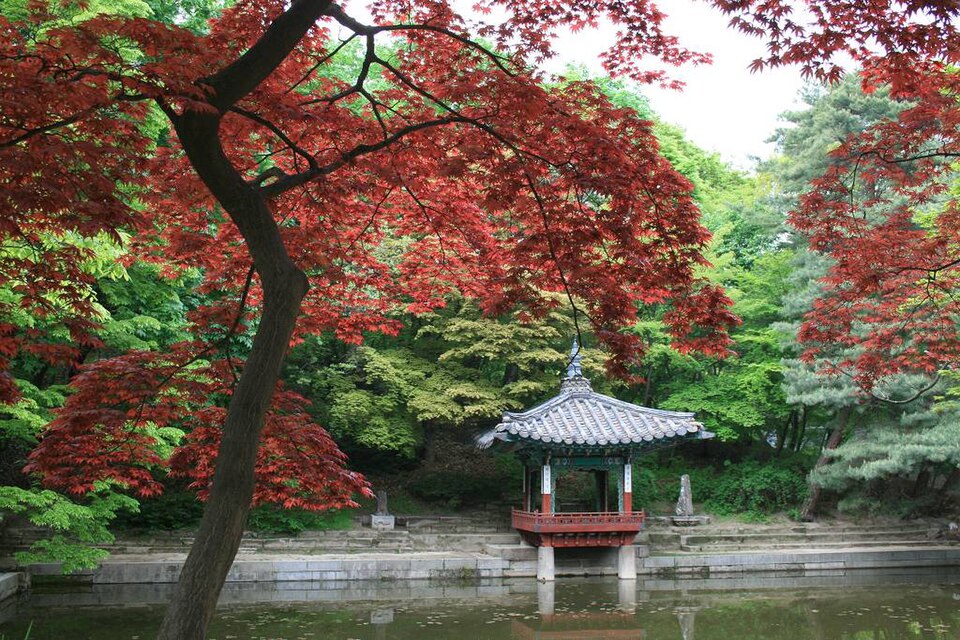
You must also account for ticketing and access rules. VisitKorea notes that Changdeokgung Palace, a UNESCO World Heritage site, is famous for its Secret Garden (Huwon), which preserves a stunning natural landscape that is especially beautiful in autumn. The Secret Garden can use separate admission, tour, or reservation rules from the main palace. Check the official palace booking page for the current arrangement and availability before assigning it a fixed morning in your itinerary.
Elevation also dictates timing. VisitKorea confirms that Bukhansan National Park features elevated granite peaks like Baegundae. Because it sits higher than the city center, Bukhansan’s leaves typically turn color earlier than those at sea level.
How to make the day easier
To improve your chances of seeing useful color, split your foliage stops into three distinct day roles and deploy them based on what you see on the ground.
The early color: Bukhansan National Park
If you arrive slightly early in the season and the city is still mostly green, head up. Bukhansan offers strenuous but rewarding hiking trails where the foliage turns first. If your group has lower mobility or no interest in steep granite trails, use an urban park such as Namsan as the backup and check its current access options before leaving.
The peak color: Changdeokgung Palace
When the city center hits peak color, prioritize the historic sites. The curated landscapes of Changdeokgung’s Secret Garden offer the classic image of Korean autumn, blending traditional pavilions with vibrant maples. If the garden uses a timed tour or reservation on your date, treat it as the one anchor you plan around and keep the nearby Jongno stops flexible.
The late color: Seoul Forest
If you arrive late in the window, or if you simply want a relaxed, flat walking day, head to Seoul Forest. The official park site confirms it is open 24 hours year-round (though specific facilities may close on Mondays). The official park site lists Seoul Forest Station Exit 3 as roughly a five-minute walk and Ttukseom Station Exit 8 as roughly a fifteen-minute walk, making the park the most accessible, low-mobility option in this plan.
SeoulSheets connection
Managing a flexible itinerary is difficult if you have to rebuild your route every time you shuffle a day. The Seoul trip planner template inside SeoulSheets solves this by giving you a populated database of stops rather than a blank worksheet.
When you need to swap your Bukhansan hiking day with your Seoul Forest walking day because of the weather, you don't lose your restaurant research. You simply filter the SeoulSheets food tab for "Seongsu" (near Seoul Forest) instead of northern Seoul. The five-day Seoul itinerary structure built into the spreadsheet allows you to drag and drop these day roles, complete with Naver and Google map links, ensuring that your flexible foliage plan remains anchored by reliable, pre-researched logistics.