
Seoul Five Palaces Route: What Is Realistic in One or Two Days
A practical, map-aware guide to seoul five palaces route: what is realistic in one or two days.
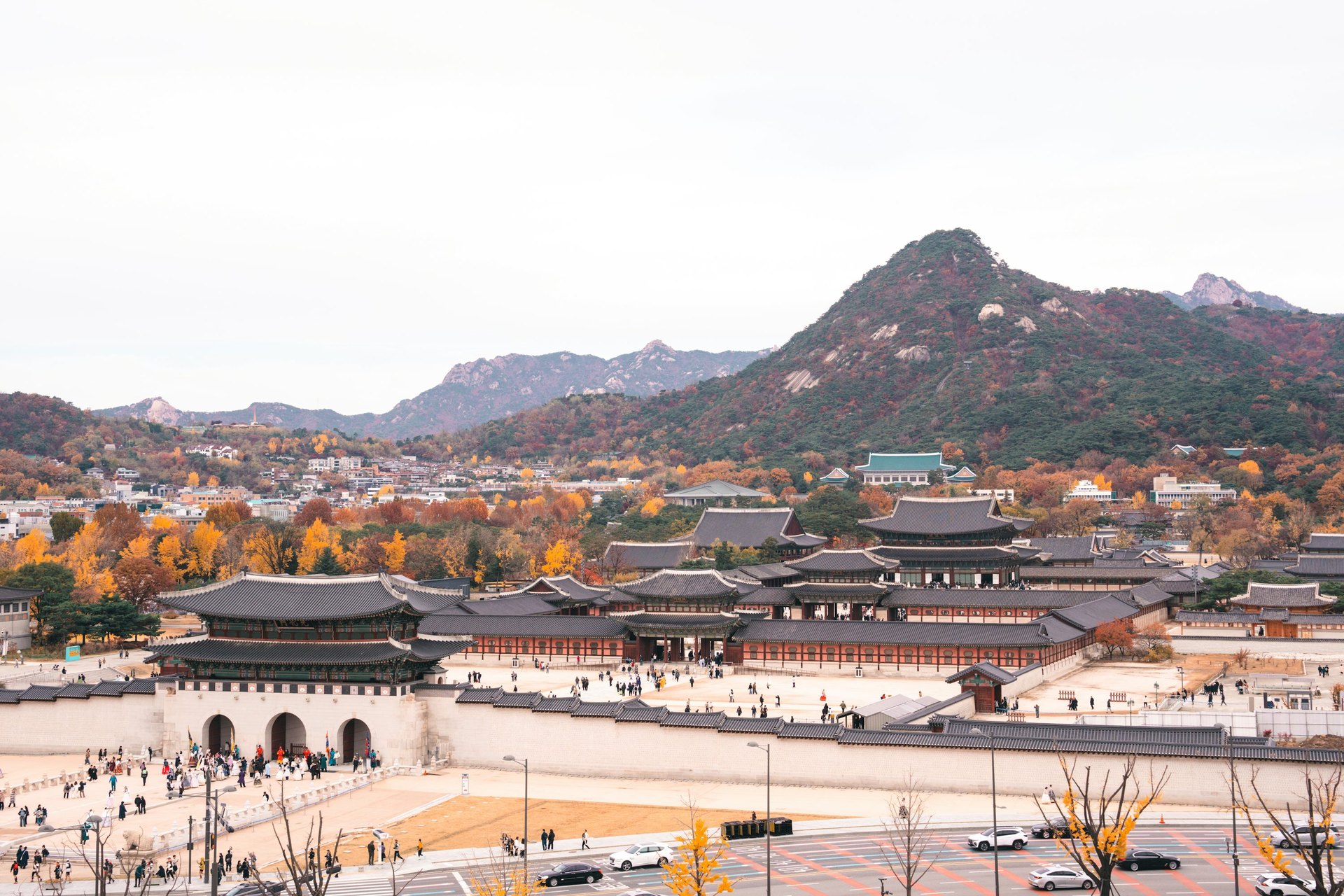
Quick answer
If you have one day in central Seoul and want a satisfying palace experience without rushing, aim for a two-palace core rather than trying to visit all five. Gyeongbokgung is the flagship palace and pairs well with either Bukchon/Insadong nearby or Changdeokgung to the east depending on pace and interests [1] [3]. With two days you can comfortably add a third site (or spend time in a museum, hanok village, or a long hanbok photo session) without feeling squeezed. Verify the latest opening, admission, and reservation details directly with official sites before you go.
Why not pack all five?
The five major palaces are part of a connected heritage system, but they were built and used in different periods and spread across central Seoul, which makes a “see-all” day hectic rather than rewarding [3]. Crowds, ticket lines, time spent in exhibition halls, and walking between gates all eat time. Instead of checking boxes, prioritize depth: architecture, gardens, and a relaxed photo window in traditional clothing will leave stronger memories than lightning visits.
Compact comparison of routes
| Plan | Best for | Why |
|---|---|---|
| One-day single-palace deep | Slow travellers, photography | Choose one large palace (Gyeongbokgung or Changdeokgung) and pair it with Bukchon or a museum to reduce transit and focus on experience [1] [2] |
| One-day two-palace core | Sightseers with moderate energy | Gyeongbokgung + nearby Changdeokgung or Gyeongbokgung + Bukchon/Insadong balances variety and pace [1] [2] |
| Two-day relaxed | Walkers and culture fans | Two core palaces on day 1, one lighter visit or neighborhood exploration day 2; allows museum time, hanbok rental, and contingencies [3] |
Two-palace core routes (practical pairings)
- Gyeongbokgung + Bukchon/Insadong: Use Gyeongbokgung as the historic anchor, then wander Bukchon Hanok Village or Insadong for tea houses and crafts. Bukchon sits between the palace clusters and is a natural cultural extension rather than a separate palace visit [2] [1].
- Gyeongbokgung + Changdeokgung: If you want two palaces, these are complementary. One is monumental and formal; the other has a famous rear garden and different architectural rhythm [1] [3].
- Changdeokgung + Changgyeonggung: These are close historically and geographically; a calm two-site day works if you prefer garden-focused wandering and fewer crowds [3].
For hanbok rental and palace etiquette, see the practical tips and timing ideas in the Seoul palace guide and hanbok rental article (/blog/seoul-palace-guide-hanbok-rental).
One-day vs two-day sample approach
One-day, two-site sample (moderate pace): pick a two-palace core, plan a relaxed lunch near the second site, and schedule a one-hour buffer for unplanned waits or longer photo sessions. If you’re using a hanbok, factor in changing time and quick checks for storage/security policies.
Two-day relaxed sample: Day 1 — larger palace + neighborhood (Gyeongbokgung + Bukchon). Day 2 — second palace with a museum or a park nearby (Changdeokgung + National Museum or a market). This split reduces the temptation to rush and gives flexibility for weather or closures.
Always confirm operational details (open days, special closures, and reservation rules) on official pages before booking or setting hard arrival times [1] [3].
Route-planning spreadsheet workflow
Create a simple planning sheet (Google Sheets or Excel) with these fields: Date, Arrival window, Palace/site, Address/nearest subway, Planned visit duration (estimate), Transit method, Transit buffer, On-site buffer, Hanbok rental slot (if applicable), Lunch/respite, Reservation links, Confirmed (Y/N), Notes/contingency.
Workflow and buffers: - Fill the basics first: dates and the two palaces you want. - Map each site in the naver kakao map planner to see actual walking or transit routes and to set realistic transit buffer fields. - For each visit add an on-site buffer block (suggest 30–60 minutes depending on your photo and crowd tolerance). Label this “flex time” so you can reassign it if you’re ahead of schedule. - Mark a contingency row: alternate indoor activity (museum/cafe), or swap the order of sites if weather or closures interfere. - Finalize logistical links: reservation or ticket page, nearest subway exit, and hanbok rental contact. Do not lock in a fixed arrival time until you verify current ticketing and access policies.
Contingency plan: If a palace is unexpectedly closed or overbooked, switch to the nearby neighborhood (Bukchon, Insadong, National Museum) and use the saved slot for a longer hanbok shoot or museum visit. Keep the planner accessible on your phone for rapid updates.
Evergreen vs time-sensitive guidance: the spreadsheet captures evergreen decisions (which two palaces, preferred pace, hanbok vs no-hanbok) and flags time-sensitive items as links/confirmations (opening days, ticket reservations, special exhibitions). Always treat those flagged links as check-before-you-go items.
SeoulSheets connection
Seoul Sheets is designed to turn this workflow into a reusable trip template. Use the planner link to pin palace locations and export estimated transit segments into your SeoulSheets schedule. If you use our two-palace template, it will pre-fill the spreadsheet fields above (visit slots, buffer fields, and contingency rows) so you can duplicate and tweak for multiple dates. Add the related article (/blog/seoul-palace-guide-hanbok-rental) as a reference tab for hanbok tips and vendor contacts.
Official details like ticketing windows and special-event closures change; the planner helps you assemble the live links you must verify the day before travel.
Final take
For most travelers who want a meaningful heritage experience without exhaustion, a two-palace core across one or two days is the best practical choice. It balances depth and variety while leaving room for cultural neighborhoods, photos, and unexpected changes. Use a simple spreadsheet, pin sites in the naver kakao map planner, and treat official site pages as your final check before committing to times or reservations.
Add it to your working plan
Record the operational choice and its buffer in the Naver and Kakao map planner before you treat it as fixed. Pair that row with the Seoul palace guide and hanbok rental so your route and contingency notes stay together.
Official checks: