
Seoul in winter: a practical 4-day cold-weather plan
Use a weather-resilient four-day Seoul itinerary that alternates outdoor landmarks with warm indoor backups.
Quick answer
A good winter Seoul itinerary alternates one concentrated outdoor cluster with one warm indoor anchor each day. Use central historic Seoul first, add a weather-dependent seasonal activity only after checking current operations, reserve a museum-and-shopping day for the coldest forecast, and keep the final day flexible. Do not plan around snow: Seoul winter is reliably cold, but a postcard snowfall is not guaranteed.
Start with the cold, not the checklist
VISITKOREA lists Seoul’s average December high and low at 4.2°C and -3.4°C, January at 2.1°C and -5.5°C, and February at 5.1°C and -3.2°C [1]. Northerly winds can make exposed plazas, bridges, and palace grounds feel colder than the temperature suggests.
The common planning mistake is creating a normal spring itinerary and adding a heavier coat. Winter changes the useful length of an outdoor block. A palace, village, and market that look adjacent on a map can still involve several exposed walks, cold station platforms, and repeated glove removal for tickets or navigation.
The better rule is outdoor priority → warm recovery → short outdoor transition → indoor evening.
Pack for temperature changes, not one temperature
Seoul interiors and public transport are heated, so one extremely heavy layer can become uncomfortable indoors. Use a warm base layer, insulating middle layer, wind-resistant outer layer, gloves that still let you use a phone, and shoes with useful grip.
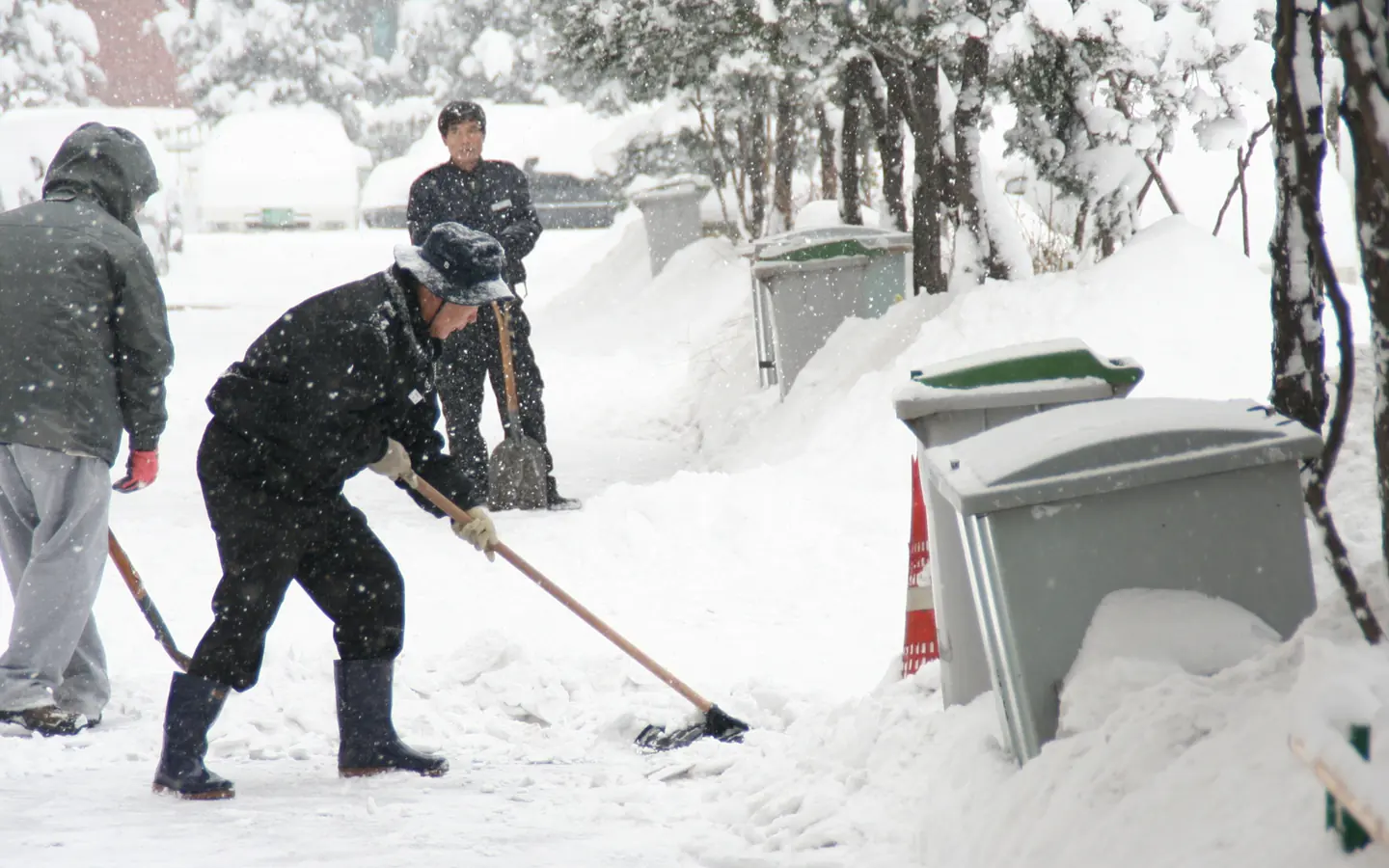
Check the live forecast each morning. Cold waves, wind, precipitation, and icy surfaces matter more than the monthly average. If snow is forecast, move steep lanes and long palace walks to a safer time rather than chasing photos.
Day 1: palace, museum, and central lights
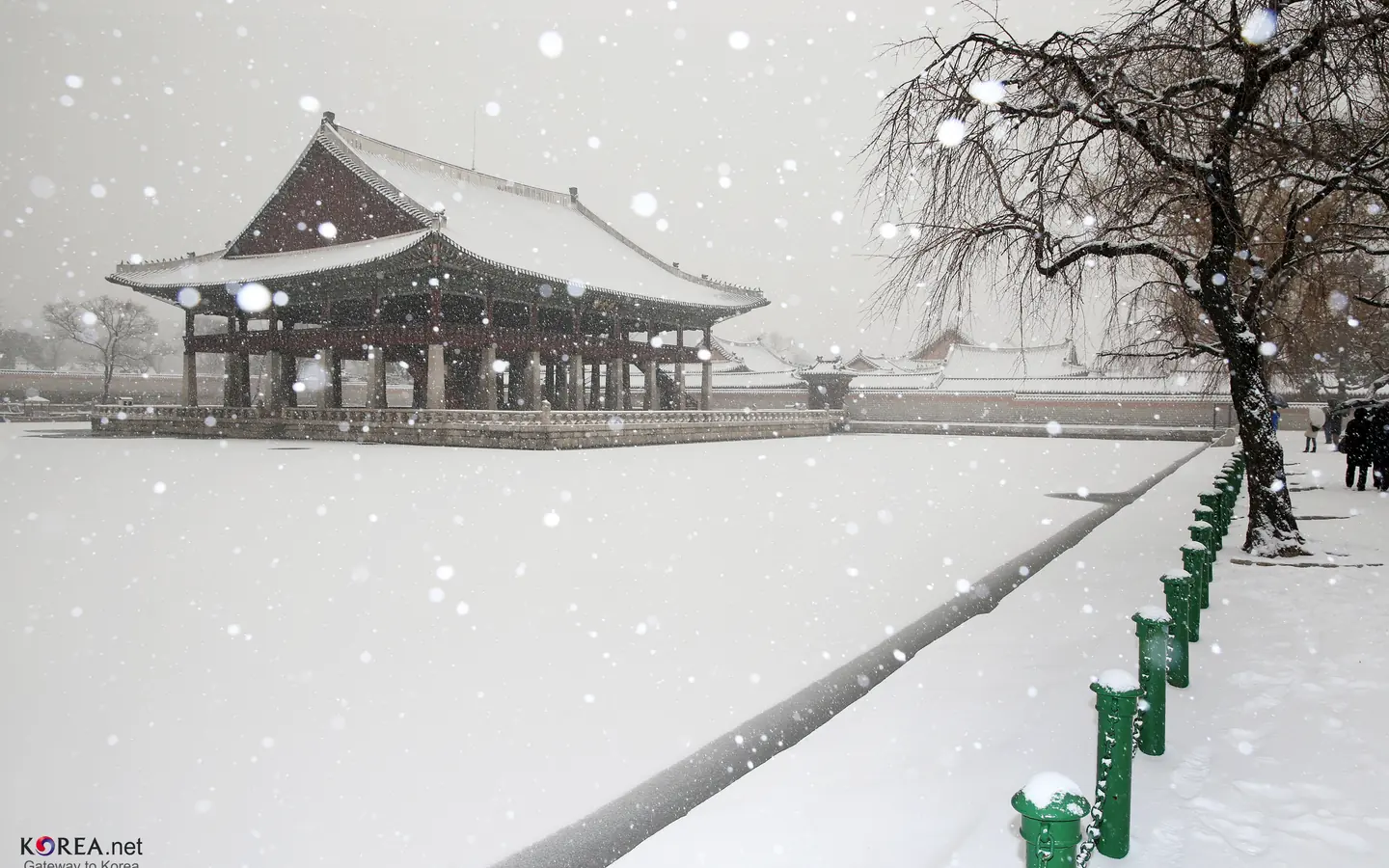
Start at Gyeongbokgung Palace soon after opening, when you have the most energy for exposed courtyards. VISITKOREA notes that royal palaces offer free admission to visitors wearing hanbok [1], but winter rentals should be treated as a visual layer over warm clothing—not as insulation.
Move indoors before the cold becomes the memory of the day. The National Folk Museum sits beside the palace complex, while the Seoul Museum of History is a short transfer away. Choose one rather than trying to complete both.
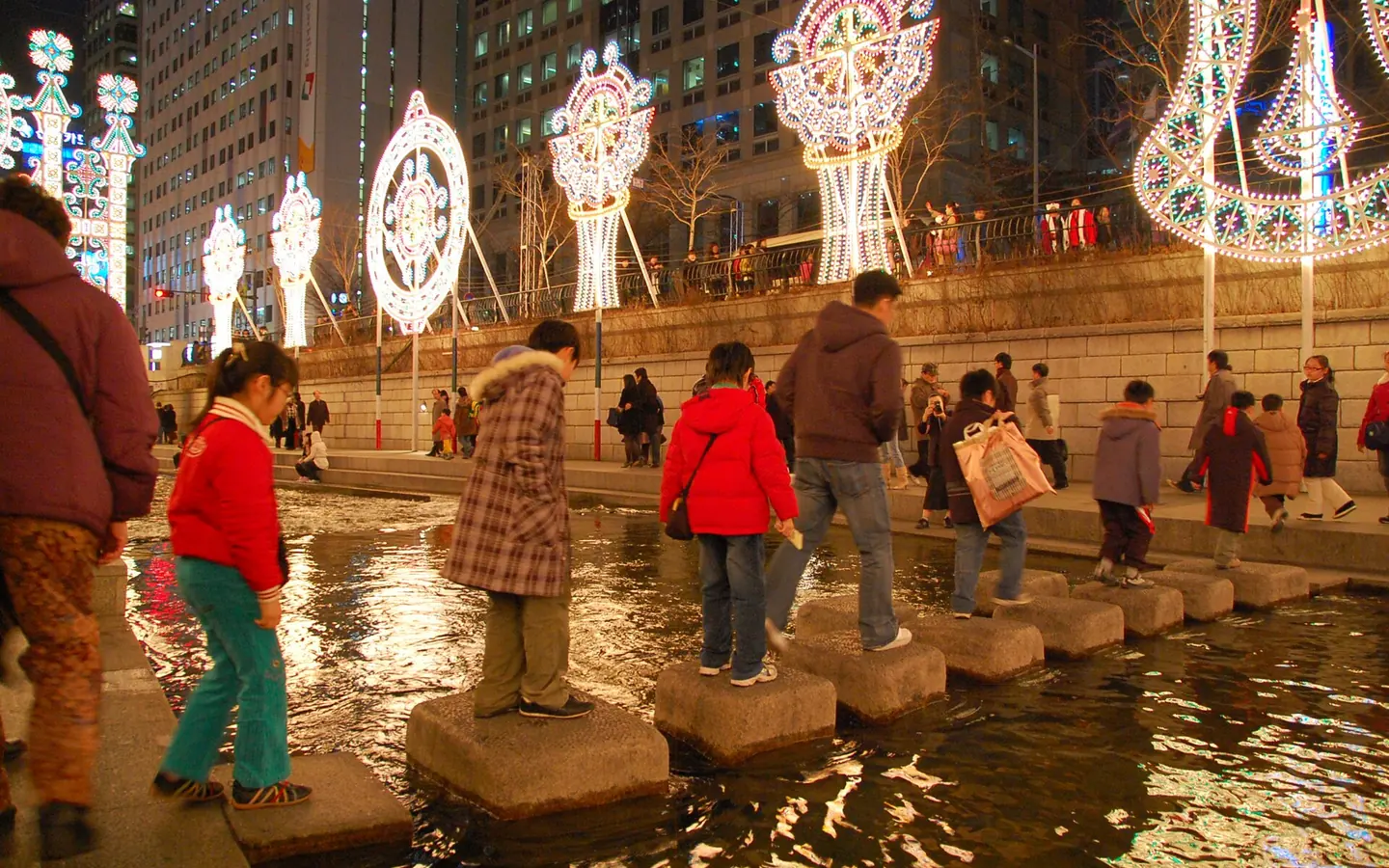
After a warm lunch, continue through Gwanghwamun or Cheonggyecheon only if the weather remains comfortable. In recent winters, Seoul Winter Festa has connected media art, lights, markets, and skating across central venues [2]. The official page reviewed for this guide documented previous editions rather than a finalized 2026–27 schedule, so confirm current dates before building the evening around it.
Day 2: choose seasonal activity or a museum-first route
Make Day 2 the weather-dependent slot. If an official seasonal facility is operating and conditions are comfortable, choose one active experience. For the 2025–26 season, Seoul operated Hangang Park sledding hills at Ttukseom, Jamwon, and Yeouido from December 19 to February 18, with dates subject to weather [3]. That history shows what may be available, not what is guaranteed for a later winter.
Check Seoul’s current notices before leaving. If the activity is closed, use the backup immediately instead of searching for another distant winter venue.
The National Museum of Korea is a strong indoor anchor. Its official site lists free general admission, with charges for some special exhibitions [4]. The building and nearby Yongsan area can fill a substantial half day without repeated outdoor transfers.
| Forecast | Day 2 choice | Why |
|---|---|---|
| Dry, manageable wind | One confirmed seasonal activity, then indoor shopping or a museum | Uses the best weather window without overcommitting |
| Snow or icy ground | Museum first, then a nearby meal | Reduces steep or exposed walking |
| Strong wind or cold-wave alert | Full indoor cluster | Avoids paying for transport to an outdoor venue you will leave quickly |
Day 3: one modern district, not three
Choose Jamsil, COEX, or Seongsu—not all three.
Jamsil works for a tower view, shopping, and indoor entertainment. Check same-day visibility before paying for an observation deck, because clouds, haze, or snow can erase the view. COEX combines a large indoor mall, Starfield Library, exhibitions, food, and direct subway access. Seongsu offers cafes and design shops, but requires more short outdoor walks between stops.
Build the day around one district so every warm stop is nearby. This is where the Seoul cafe-neighborhood comparison helps: choose the area that matches your preferred balance of cafes, shopping, and walking rather than crossing the city for isolated venues.
Day 4: village morning with an indoor fallback
Use the final day for Bukchon and Insadong if surfaces are dry. Bukchon’s slopes and residential lanes reward a slow morning, but the neighborhood is not a theme park: keep voices low, follow access signs, and avoid blocking entrances.
If snow or ice makes the hills uncomfortable, replace Bukchon with an indoor cultural route around Insadong, a museum, and a traditional tea house. The point is to preserve the geographic cluster rather than replacing one cancelled stop with a destination across Seoul.
Finish with a jjimjilbang, sauna, department-store food hall, or long dinner near the hotel. Confirm venue-specific policies and hours before visiting; large facilities can change operating models.
The winter routing rule
| Outdoor anchor | Warm recovery nearby | Evening option |
|---|---|---|
| Gyeongbokgung and Gwanghwamun | National Folk Museum or Seoul Museum of History | Current central light event or Jongno dinner |
| Confirmed Hangang seasonal activity | Mall, museum, or cafe in the same district | Easy meal near the hotel |
| Jamsil tower area | Lotte complex | Indoor observation deck or dinner |
| Bukchon and Insadong | Museum or tea house | Jjimjilbang or early final-night meal |
The rainy-day Seoul guide also works as a winter backup list because its routes prioritize short transfers and indoor clusters.
SeoulSheets connection
SeoulSheets is a populated `.xlsx` database with 1,400+ researched places, district fields, hours, category labels, and direct Google/Naver map links. For winter, duplicate your day plan into an A route and B route: A contains the outdoor priority; B contains indoor replacements in the same area.
Use the workbook’s district and category filters to keep both routes geographically compact. That way, a cold wave or closed seasonal event changes one block—not the whole four-day plan. The three-day spreadsheet itinerary guide explains the same clustering method for shorter visits.
References
[1] Korea Tourism Organization: Essential Guide for First-Timers—Climate
[2] Seoul Metropolitan Government: Seoul Winter Festa
[3] Seoul Metropolitan Government: 2025 Hangang Park Sledding Hill Opening Notice
[4] National Museum of Korea: Visitor Information
Image credits: Cover image by Mathew Schwartz.jpeg), CC BY 3.0. Gyeongbokgung image by Korea.net/Korean Culture and Information Service, CC BY-SA 2.0. Cheonggyecheon image by LWY, CC BY 2.0. Snow-clearing image by KennethHan, CC BY-SA 3.0. Images were cropped for layout.


