Seoul to DMZ Day Tour: Documents, Dress Code, and How to Pick an Operator
What a DMZ day tour from Seoul actually requires—passport rules, JSA dress code, booking lead time, and the questions to ask before you pay an operator.
Quick answer
A DMZ day tour from Seoul is the one attraction on most first-time itineraries that has real paperwork attached. The passport itself—not a photo or photocopy—must be presented at checkpoints, and most operators need your passport details for registration several days ahead. Standard DMZ tours to sites like the Third Tunnel and Dora Observatory have no dress code beyond looking presentable. A Joint Security Area (JSA) tour, the one where you stand on the actual border line, is stricter: no sleeveless shirts, no ripped or overly casual clothing, no flags or nationality markings, and a minimum group age. Book JSA at least a week out; standard DMZ tours are more flexible.
Two different tours, two different rulebooks
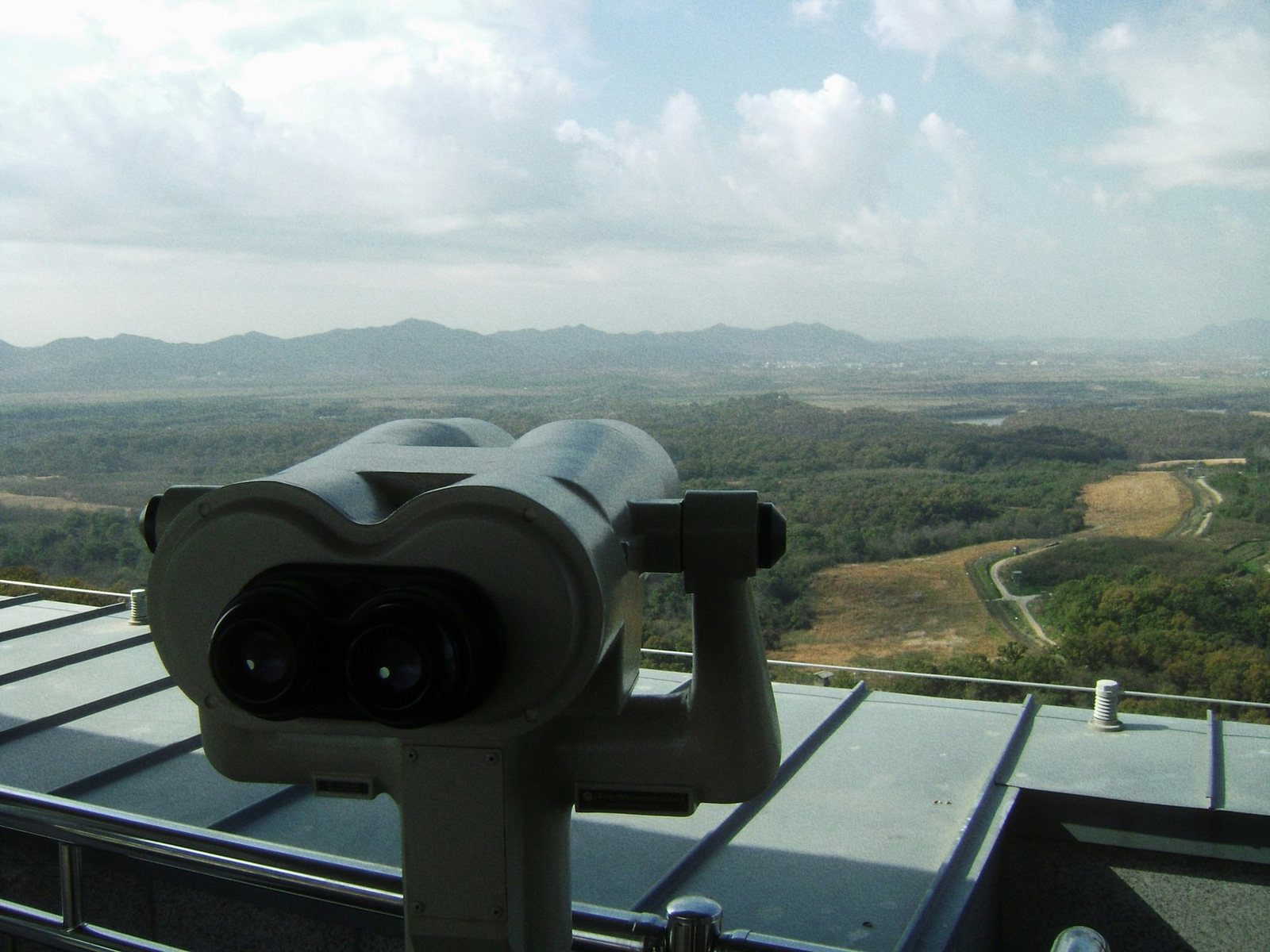
"DMZ tour" covers more than one product, and the rules change depending on which one you book. A standard DMZ tour typically includes the Third Tunnel of Aggression—an incomplete North Korean infiltration tunnel discovered in 1978, found after detecting an underground explosion, and designed to move up to 30,000 soldiers an hour toward Seoul before it was found—plus Dora Observatory, where paid binoculars let you look across the Military Demarcation Line toward Kaesong. These sites have no real dress code, though military police can still deny entry if your clothing looks disrespectful.
The Joint Security Area is a different tour entirely. This is the site where South Korean and American/UN forces stand face to face with North Korean forces, and it is the only DMZ stop where visitors can step into the shared negotiation building. Because it sits inside an active security zone, JSA tours carry a real dress code: no sleeveless shirts, no collarless t-shirts, no shorts, no sandals, nothing military-styled, and nothing bearing a flag or country name. Everyone must be at least 12, and anyone under 18 needs a parent or guardian present. JSA bookings need advance registration, generally at least a week ahead with a full-color passport scan (photo page and the barcode strip) sent to the operator in advance, and a 72-hour minimum before same-week changes. Cancelling inside seven days can carry a full charge, so this is not a tour to book provisionally.
What every operator should ask you for
Whichever tour you book, expect these requests, and treat their absence as a warning sign:
- A real passport, not a copy. Photocopies and phone photos are not accepted at checkpoints. You need the physical document on tour day.
- Passport details in advance. JSA operators need a passport scan days ahead for security clearance; standard tours may ask for passport numbers closer to the date. Either way, expect to hand over more identity information than a typical city tour asks for.
- Nationality. JSA tours exclude a small number of nationalities for diplomatic and security reasons, and Korean nationals cannot join the JSA leg on most public tours. Confirm eligibility before you pay, not after.
- A clear pickup point. Most tours depart from central Seoul. Confirm your hotel is inside the pickup zone before booking, since a missed departure at the DMZ is not something you can just catch up to on your own.
Choosing between operators
Price differences between DMZ operators are usually explained by what is included, not by one company having a secret discount. A tour that looks unusually cheap may exclude the Third Tunnel entry fee, the shuttle inside the tunnel, or the JSA leg entirely and only cover the outer sites. Before booking, confirm exactly which stops are included, whether JSA is a separate add-on with its own approval process, and whether the listed price already includes the tunnel and observatory admission fees. A tour with "no shopping stops" explicitly stated is usually signaling that it skips the commission-driven souvenir detours some budget tours build in—worth checking for if your day is already tight.
What to actually pack
Bring your passport, not a bag full of documents you think might help—operators will tell you if they need anything beyond it. Comfortable shoes matter more here than on most Seoul days: the Third Tunnel involves walking hunched over through a narrow, sloped passage, and hard hats are issued for a reason. Cameras are typically restricted inside the JSA and at some tunnel sections, so check the specific photography rules for your tour rather than assuming your usual travel-photo habits apply.
SeoulSheets connection
The DMZ tour is a real row in the SeoulSheets workbook's Experiences tab, alongside its actual booking window, price band, and duration—useful because this is one of the few Seoul-area activities where the fine print genuinely changes whether the day works. Pair the DMZ day with something low-effort on either side: check the things to do in Seoul guide for a lighter half-day to book before or after, since a DMZ tour with JSA can run six or more hours and leaves little energy for a packed evening. If you are building a longer trip around one big day-trip day, the slower neighborhoods and day trips itinerary shows where a DMZ day fits best in a full week.
Final take
A DMZ day tour rewards travelers who treat the paperwork as part of the itinerary, not a formality to skim. Confirm which tour you are actually booking, bring the real passport, and ask the operator directly what happens if JSA approval falls through on the day—a good operator will already have an answer, because for this one attraction, the fine print is the tour.