
2-Day Seoul Itinerary for a First Visit: Essential Neighborhoods and Realistic Timing
A practical, map-aware guide to 2-day seoul itinerary for a first visit: essential neighborhoods and realistic timing.
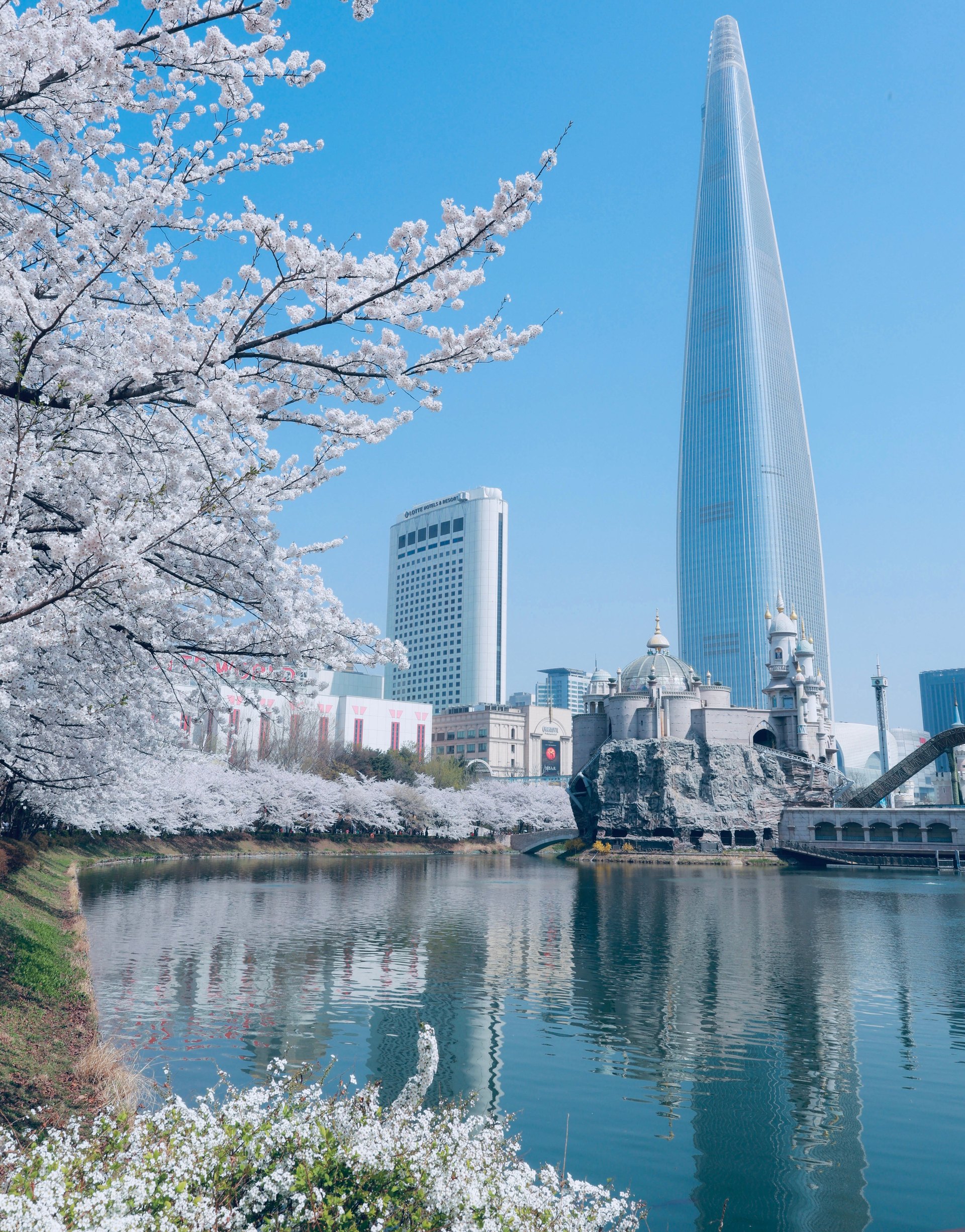
Quick answer
Two days in Seoul work best if you treat Day 1 as the historic core (palaces, Bukchon, Insadong, a market) and Day 2 as a modern-neighborhood cluster (Hongdae/Yeonnam or Gangnam + a Han River park). Stay centrally the first night to minimize transit on arrival; use a simple spreadsheet to block priorities, add buffers, and include contingency swaps for weather or closures. Build your plan from this spreadsheet template: seoul itinerary spreadsheet.
Why two geographic clusters (not a hit-list)
For a first visit, distance and subway transfers cost time. Grouping attractions into two compact clusters reduces back-and-forth transit, makes timing realistic, and keeps each day flexible. This gives you one deep, walkable historic day and one flexible modern day that can skew shopping, nightlife, or riverside downtime depending on energy and weather.
Day 1 — Historic core (easy to walk, culturally dense)
Focus: Gyeongbokgung/Gwanghwamun area, Bukchon Hanok Village, Insadong, Jongno markets, and a nearby shopping street if you want more crowd energy. Plan visit durations in ranges (short museum: 30–60 min; palace or village stroll: 45–120 min) rather than exact times. Reserve palace or museum tickets in advance if the site requires reservations. Wear comfortable shoes; streets between Bukchon and Insadong are narrow and pedestrian-friendly.
Timing strategy: prioritize one booked-slot attraction (palace or museum) in the morning, then move downhill through Bukchon and Insadong into a casual lunch at a nearby market or street-food alley. Close the day with a short shopping stroll (Myeongdong is a transport hop away if you want cosmetics and street food) or an early Korean BBQ dinner. Verify opening days and seasonal closures with official sites before you lock reservations.
Day 2 — Modern neighborhoods (choose one walkable cluster)
Option A: Hongdae + Yeonnam-dong + Sinchon — youthful cafes, live music, street performances, boutique shopping. Good for late morning to late night; many venues are small and opening hours vary.
Option B: Gangnam + Apgujeong (or COEX area) — slick malls, modern architecture, cafe clusters. Combine with a Han River park in the evening if you want open air.
Either choice keeps travel compact: stick to one district to minimize subway transfers and leave a late-afternoon block for a Han River park or a museum if the weather is poor. For riverside plans, check park events or seasonal services in advance; do not assume facilities or rentals are guaranteed without confirmation.
One compact choice table
| Part of day | Day 1 (Historic core) | Day 2 (Modern/neighborhood) | Transit decision |
|---|---|---|---|
| Morning | Palace or museum visit (reserve if required) | Neighborhood stroll & cafe | Walk between close stops; use subway for wider transfers |
| Afternoon | Bukchon → Insadong → market lunch | Shopping, galleries, or themed cafes | Allow buffer for transfers across river or busy times |
| Evening | Casual shopping or traditional dinner | Nightlife or Han River park | Pick nearest subway line for late return; check last train times |
SeoulSheets connection
Use the seoul itinerary spreadsheet as your working file. Set up these columns: Date | Day label | Neighborhood cluster | Stop name | Address | Priority (must/optional) | Estimated visit time (min) | Transit mode | Travel time estimate | Buffer (min) | Reservation required (Y/N + link) | Weather sensitivity (high/low) | Backup swap | Notes. Recommended buffer defaults: 10–20 minutes between nearby walking stops, 30–60 minutes for cross-river or multiple-transfer legs, and a larger buffer (90–120 minutes) for arrival or departure days. Use a filter to show only "must" items when timing gets tight.
Contingency workflow: mark two easy indoor backups per cluster (museum, large mall, cafe complex). If a booked slot cancels, move the reservation link and the time cell to the new slot and update buffers. Keep a column for "last-checked" with timestamps so you can see which rows need a re-check before travel.
If you want a longer plan, compare this file with the three-day Seoul itinerary spreadsheet to see how a third day shifts pacing or adds a different district.
Evergreen strategy vs time-sensitive facts
Evergreen: group by proximity, set realistic visit-duration ranges, build buffers, and create easy indoor alternatives for bad weather. Always prioritize a manageable number of "must" sights rather than trying to cram everything.
Time-sensitive: opening hours, reservation rules, special events, last-train times, and airport transfer options change. Verify those details on official sites before booking or departing. For airport arrival/departure and public-transport pass options consult the official airport and city resources when planning transfers and transit cards [1] [2] [3].
Final take
A clear two-cluster approach—historic core one day, one modern neighborhood the next—keeps a first visit to Seoul realistic, low-stress, and flexible. Use the spreadsheet template to set priorities, add buffers, and store instant backup options so you can react to closures, weather, or sudden energy changes without rebuilding the plan from scratch. Verify any time-sensitive logistics on official pages before confirming transport or timed tickets.
Official checks: