
Best time to visit Seoul: a month-by-month decision guide
Compare Seoul weather, seasonal tradeoffs, walking conditions, and itinerary styles to choose the right month for your trip.
Quick answer
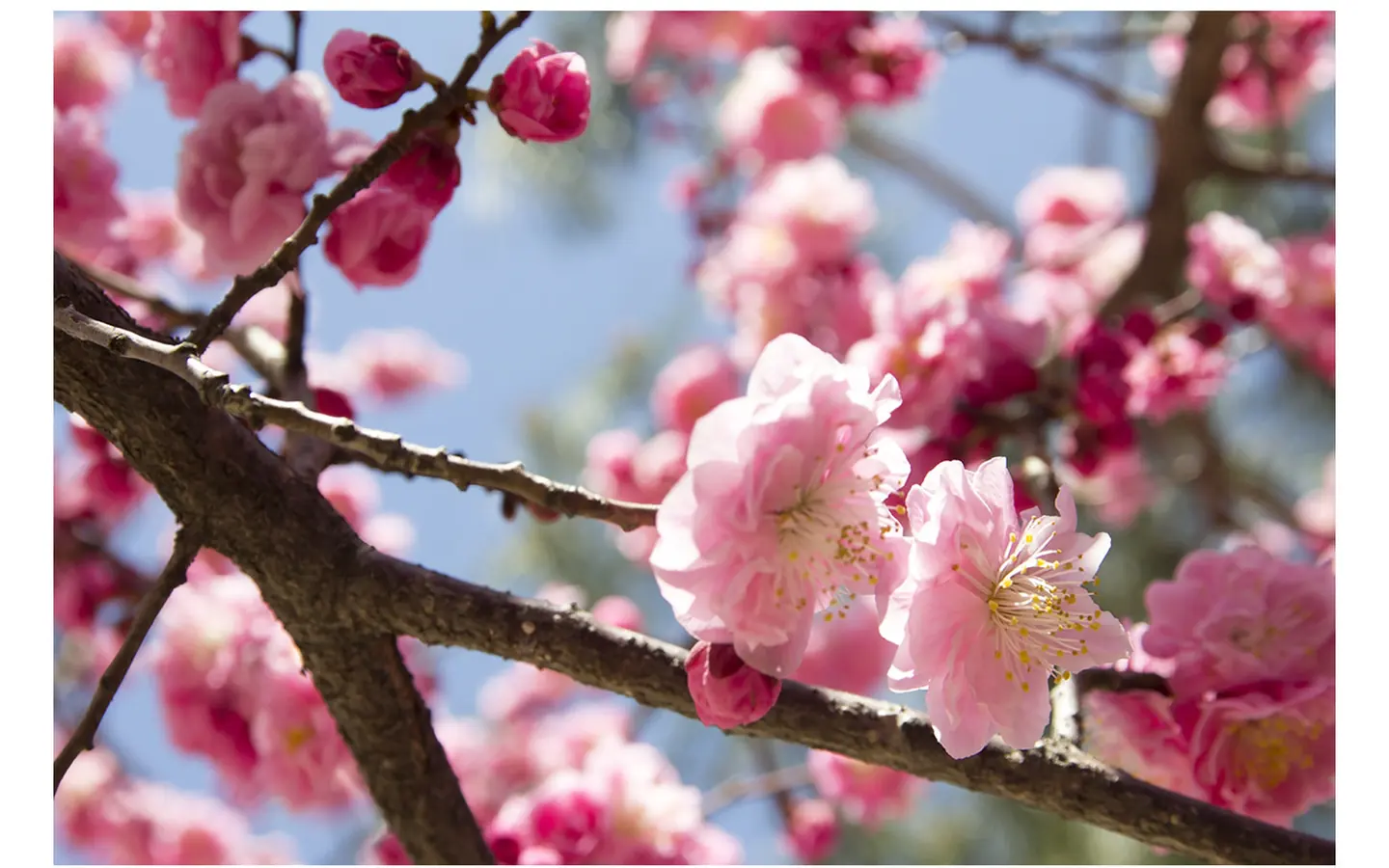
For the easiest outdoor sightseeing, choose mid-April through May or late September through October. Choose winter if you prefer smaller outdoor crowds and can tolerate freezing mornings; choose summer only if your dates are fixed or indoor culture, shopping, and nightlife matter more than long walks. Exact blossom, foliage, rain, and snow dates vary, so use seasonality to choose the trip style—not to guarantee a specific scene.
Start with the trip you actually want
The best month for Seoul is not automatically the month with the mildest average temperature. A traveler who wants palace walks, mountain trails, and long neighborhood days needs a different window from someone planning museums, cafes, shopping, and food markets.
Seoul has four distinct seasons. VISITKOREA describes spring and autumn as the most comfortable periods for travel on foot, summer as hot and humid with a rainy-season overlap, and winter as cold and dry with temperatures that often fall below zero [1]. That broad pattern is useful, but it should guide your itinerary structure rather than dictate a single “best” month.
The four-season decision
| Season | Best for | Main tradeoff | Planning response |
|---|---|---|---|
| Spring, March–May | Palaces, parks, walking routes, flowers | Cool evenings, variable bloom timing, spring dust episodes | Carry a layer and keep one non-flower route |
| Summer, June–August | Nightlife, shopping, museums, evening river time | Heat, humidity, heavy rain risk | Build short outdoor blocks around indoor anchors |
| Autumn, September–November | Hiking, palace grounds, neighborhood walks | Popular outdoor sites can feel busy | Start early and keep a second foliage location |
| Winter, December–February | Indoor culture, food, lights, quieter outdoor landmarks | Freezing temperatures and shorter comfortable outdoor windows | Alternate one outdoor stop with one warm indoor stop |
Month-by-month guide
January: coldest, clearest commitment
VISITKOREA lists Seoul’s average January high at 2.1°C and average low at -5.5°C [1]. January works best when winter itself is part of the appeal: heated cafes, museums, hot soup, year-end light installations that continue into early January, and the possibility—but never certainty—of snow.
Do not plan four consecutive outdoor landmarks. Pair a palace or short neighborhood walk with a museum, mall, market, or cafe nearby. If you dislike bulky clothing or icy surfaces, January is not a bargain; it is a different trip.
February: winter with slightly longer days
February remains cold, with an average high of 5.1°C and low of -3.2°C [1]. It suits travelers who want the winter atmosphere without centering the trip on December holiday events. Seasonal operations can end during the month, so confirm any rink, sledding hill, or festival before committing.
March: transitional and easy to misread
March averages 11°C by day and 1.9°C at night [1]. A sunny afternoon can feel like spring, but evenings remain cold. Seoul’s climate guidance also warns that spring can bring yellow dust and recommends preparing for sudden nighttime temperature drops [2].
March is good for travelers who want walking weather without depending on cherry blossoms. It is weaker for anyone choosing dates solely for flowers, because bloom timing shifts from year to year.
April: the classic first-trip window
April’s average high is 17.9°C and low is 8°C [1]. This is a strong default for palace grounds, Han River parks, and neighborhoods such as Seochon, Ikseon-dong, and Yeonnam. Flower timing changes annually, so build an itinerary that still works after petals fall.
If blossoms matter, keep several candidates rather than one famous avenue. The Seoul itinerary spreadsheet makes that easier because you can group parks, palaces, cafes, and map links by area instead of crossing the city for a single photo stop.
May: warm, green, and flexible
May averages 23.6°C by day and 13.5°C at night [1]. It is one of the easiest months for long outdoor days because spring flowers give way to green parks without summer’s full humidity. Travelers who care more about comfortable routing than a specific blossom date may prefer May to April.
June: summer begins before many expect
June averages 27.6°C by day and 18.7°C at night [1]. The official climate guide notes that late June can overlap the rainy season [1]. Early June can support long walking days, while later dates need more weather resilience.
Structure the day around one indoor anchor—a museum, mall, market, or exhibition—and add outdoor stops only when the forecast cooperates. The rainy-day Seoul route guide offers neighborhood pairings that avoid spending the day in taxis.
July: rain and humidity shape the schedule
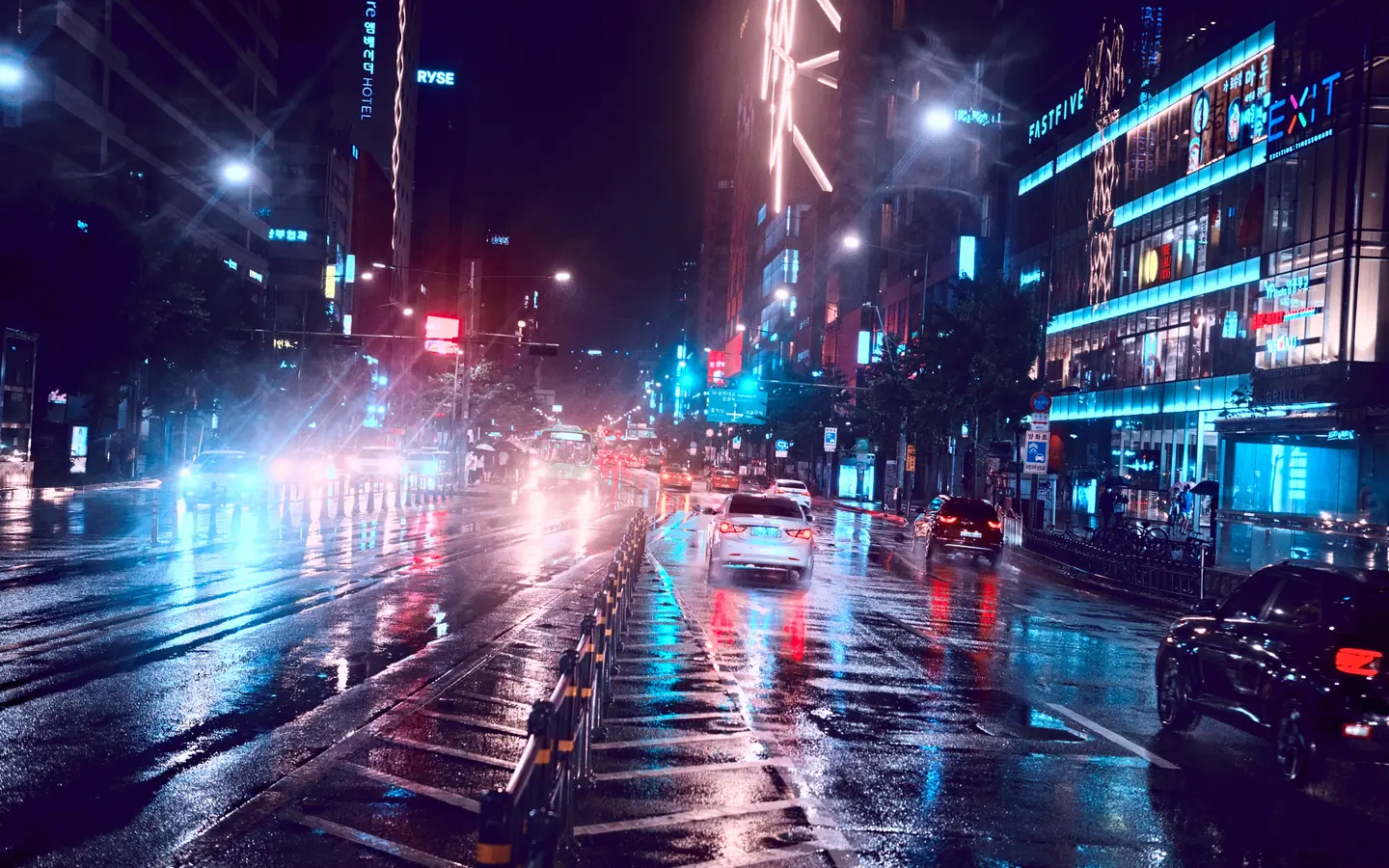
July averages 29°C by day and 22.3°C at night [1]. Heavy rain is possible, and humidity makes exposed midday routes tiring. This is not the month for a rigid checklist of outdoor landmarks.
Place outdoor neighborhoods in movable blocks. Keep a nearby indoor replacement for every park, viewpoint, or market walk, and leave buffer time for wet transit connections.
August: heat-first planning
August has Seoul’s highest listed average high at 30°C and average low at 22.9°C [1]. The official guide also notes that typhoons can affect Korea between June and October [1]. The useful strategy is not to avoid the city; it is to shift effort toward mornings and evenings.
Book accommodation near strong subway connections, reduce cross-city transfers, and prioritize indoor clusters such as COEX, major museums, department stores, and cafe neighborhoods.
September: summer loosens gradually
September averages 26.2°C by day and 17.7°C at night [1]. It often becomes more comfortable as the month progresses, but early September can still feel summery and weather disruptions remain possible.
Choose September when your dates are fixed around late-summer travel and you want a better chance of comfortable evenings than July or August. Do not choose it expecting guaranteed autumn color.
October: strongest all-round outdoor month
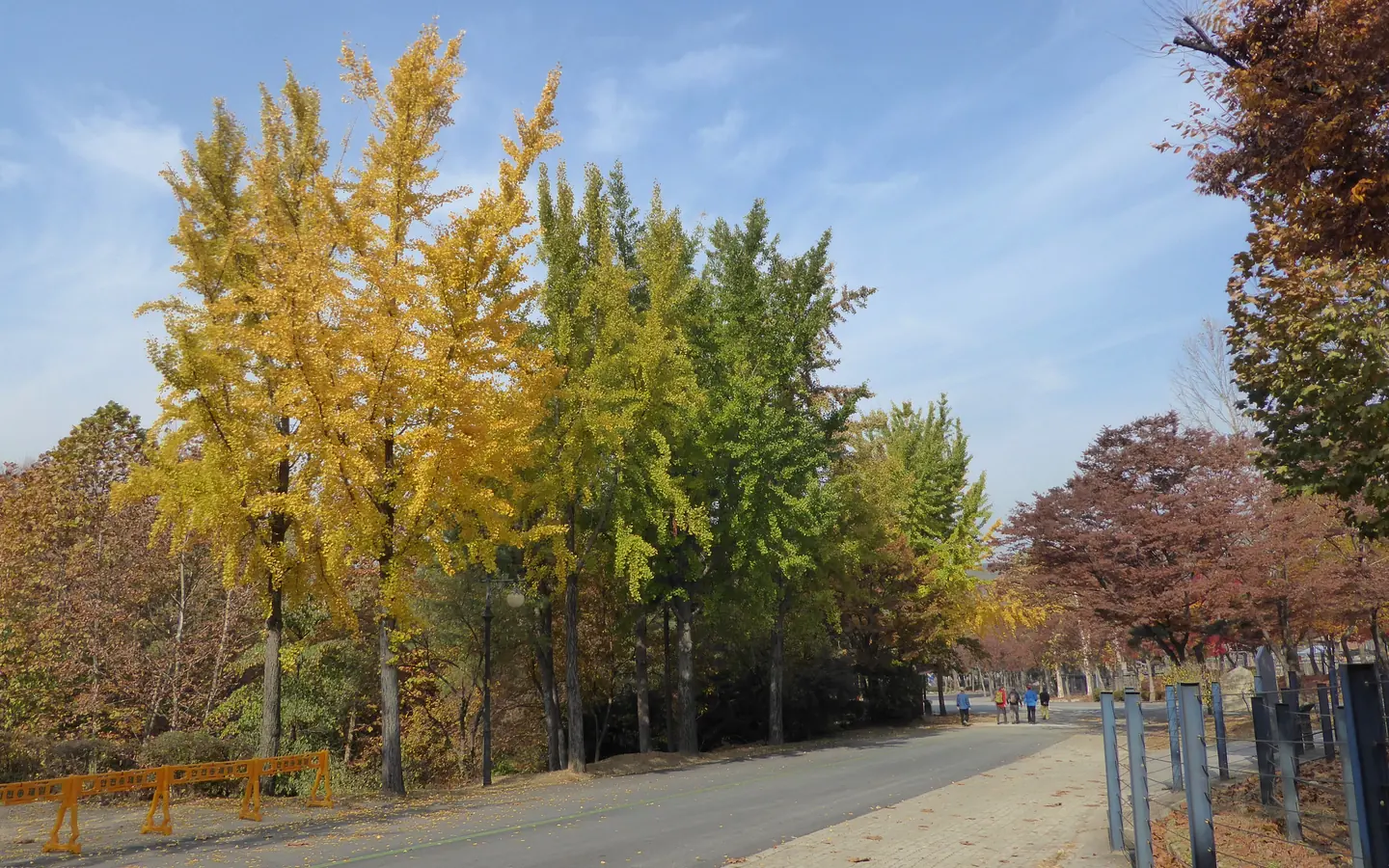
October averages 20.2°C by day and 10.6°C at night [1]. It is a strong choice for hiking, palace grounds, markets, and long neighborhood routes. Foliage timing varies by elevation, location, and annual conditions, so use the Seoul autumn foliage planning guide to compare a palace, park, and mountain rather than betting on one peak date.
November: quieter, cooler, still workable
November averages 11.9°C by day and 3.5°C at night [1]. Early November may retain color in some locations, while later dates feel increasingly wintry. It rewards travelers who prefer crisp walks and cafes over flower-season energy.
December: winter atmosphere without a snow promise
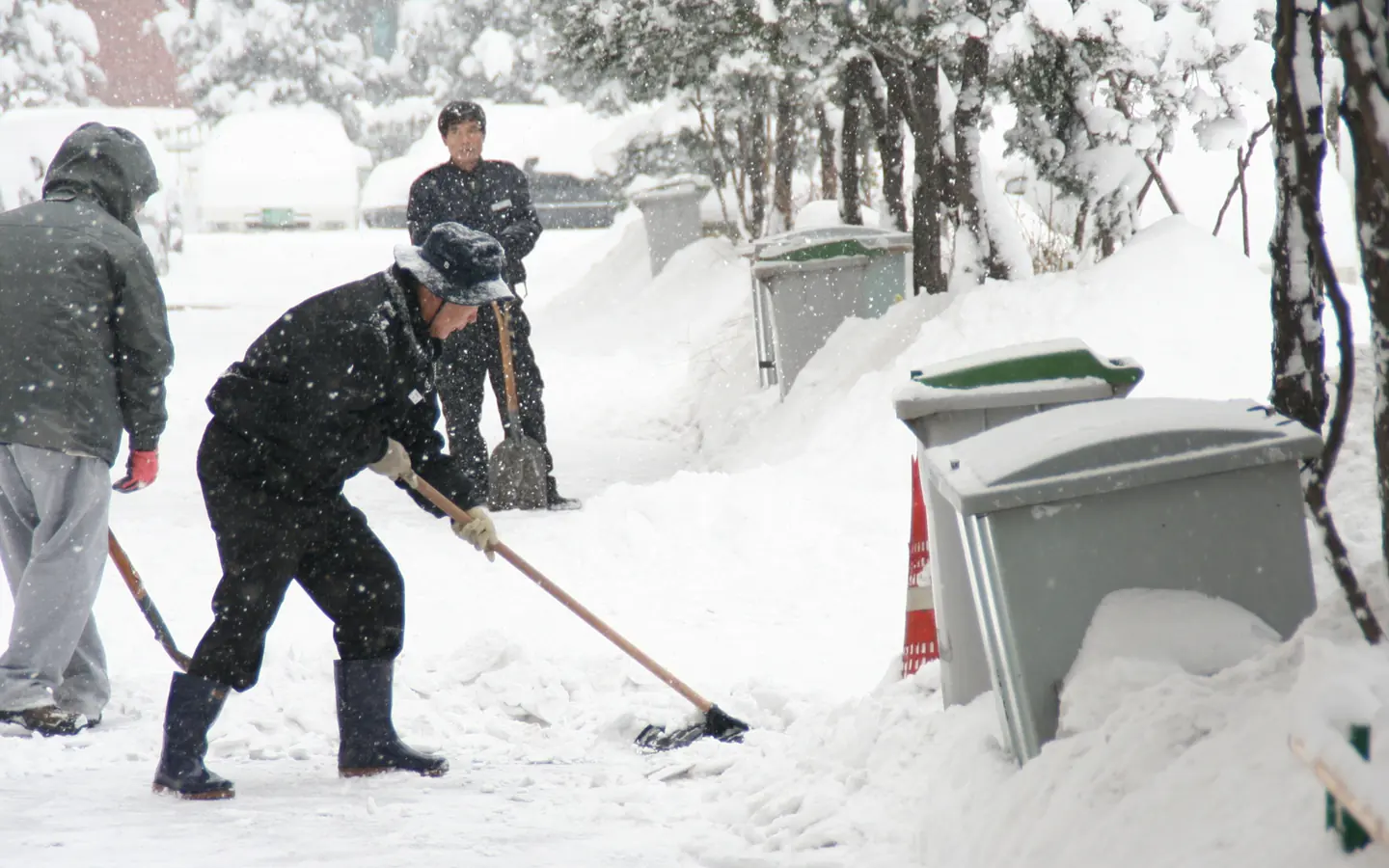
December averages 4.2°C by day and -3.4°C at night [1]. Central Seoul often adds seasonal lights and events, but annual dates change. Snow is possible, not schedulable. Build the trip around indoor and evening atmosphere, then treat snow as a bonus.
Choose by traveler type
| Your priority | Best starting window | Why |
|---|---|---|
| First Seoul trip with many outdoor landmarks | April–May or October | Comfortable walking conditions and flexible day length |
| Hiking and foliage | October into early November | Cooler outdoor conditions; exact color timing varies |
| Cafes, museums, shopping, and food | Any month; especially winter or summer | Indoor anchors reduce weather dependence |
| Lower sensitivity to cold, dislike humidity | December–February | Dry cold may be easier than midsummer humidity |
| Fixed school-holiday dates | July–August | Still workable with morning/evening routing and indoor backups |
| Seasonal-light atmosphere | December–early January | Annual programs vary and require current confirmation |
SeoulSheets connection
The practical problem is not choosing a month; it is keeping that month from breaking the itinerary. SeoulSheets is a populated `.xlsx` travel database with 1,400+ researched places, route notes, and Google/Naver map links. Use it to assign each day one outdoor priority, one indoor anchor, and one nearby replacement.
For spring and autumn, filter parks, palaces, and walking neighborhoods by area. For summer and winter, keep indoor categories beside each outdoor route. That turns weather changes into a local swap rather than a full-day rebuild.
References
[1] Korea Tourism Organization: Essential Guide for First-Timers—Climate
[2] Seoul Metropolitan Government: Four Seasons in Seoul and Climate
Image credits: Cover image by Lee Duck Hang.jpeg), CC BY 3.0. Autumn image by Ethan Doyle White, CC BY-SA 4.0. Rain image by Tony, CC BY 2.0. Winter image by KennethHan, CC BY-SA 3.0. Images were cropped for layout.


