
Nami Island, Gapyeong, and Gangchon Rail Bike: How to Choose a Day Trip
A practical, map-aware guide to nami island, gapyeong, and gangchon rail bike: how to choose a day trip.
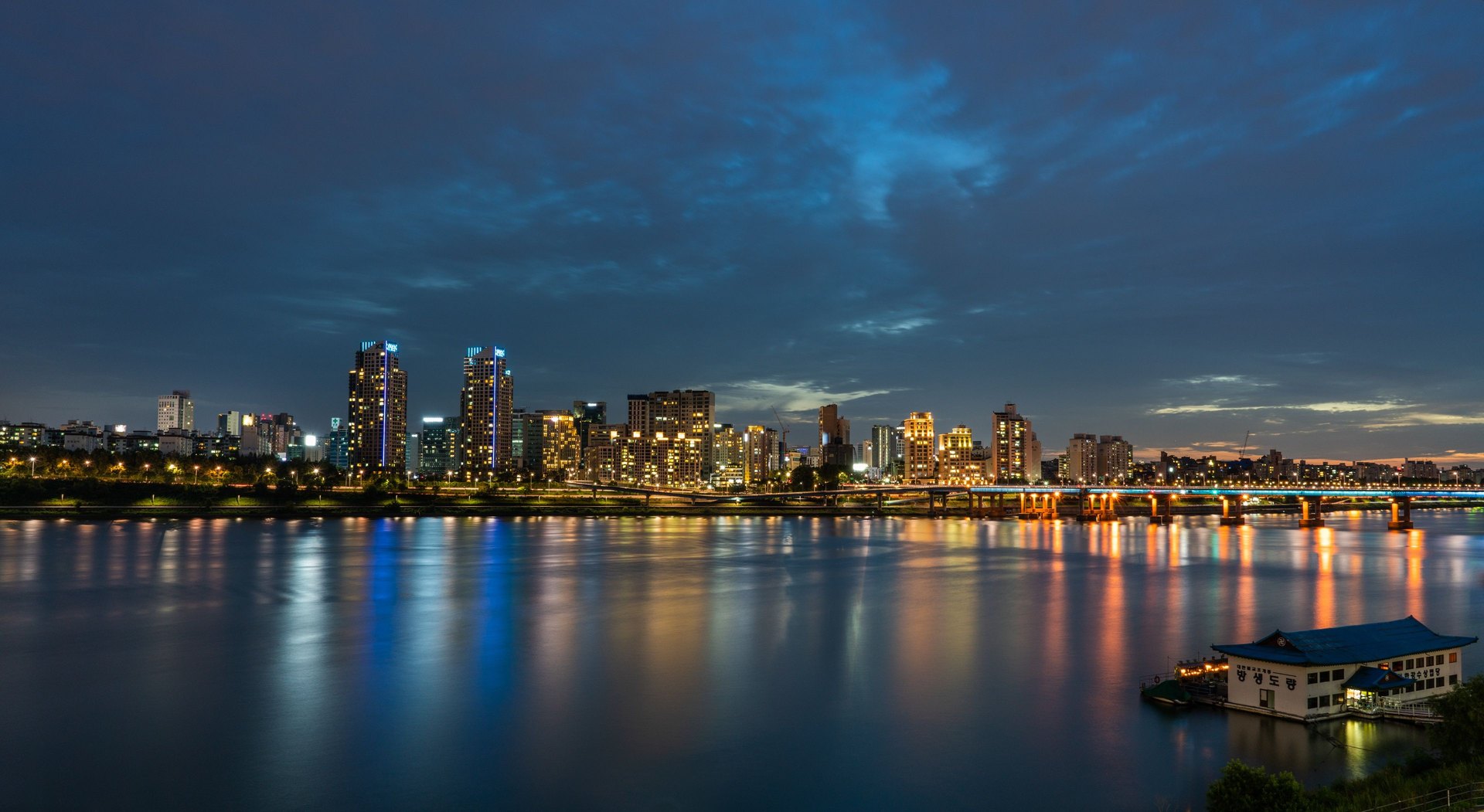
Quick answer Choose one anchor for a Gapyeong day trip and treat the other activities as optional add-ons. If your priority is pictures, calm walks, and easy sightseeing, make Nami Island the anchor. If you want a short, active, novelty experience that guarantees a fixed time block, make the Gangchon rail bike the anchor. The Garden of Morning Calm (and similar nearby parks) is a strong second option when you want nature without the ferry and crowds. Use a simple spreadsheet to lock the anchor first, then add time buffers and contingencies so the day stays realistic.
Which attraction should be the anchor? Pick the single experience you would regret skipping.
- Nami Island: anchor this day if the island’s scenery, photo spots, and easy walking are your trip priority. Nami is a destination that encourages lingering and flexible timing. For destination context, check official destination listings for Gapyeong attractions. [2]
- Gangchon Rail Bike: anchor this day if you want a scheduled, active ride that fits a fixed slot in your itinerary—useful if you have tight onward travel. Rail-bike reservations and operating details can change, so treat availability as time-sensitive.
- Garden of Morning Calm (or other nearby gardens): anchor here if you want structured gardens and a quieter visit without a ferry; it compresses easily into half a day.
Avoid anchoring on two attractions that both require long transfers and reservations unless you accept a rushed day or are prepared to cut one last minute.
Compact comparison | Attraction | Best as anchor? | Typical time to budget (plan vs verify) | Why choose | |---|---:|---:|---| | Nami Island | Yes (scenery, photography) | Plan several hours on-site; verify ferry/entry details | Iconic tree-lined paths, flexible pacing [2] | | Gangchon Rail Bike | Yes (fixed-duration activity) | Blocks a fixed timeslot; check reservation availability | Active, predictable time commitment; good as a strict schedule anchor | | Garden of Morning Calm | Optional anchor or add-on | Half-day fits easily with other stops | Structured garden visit, less transit fuss than island [2] |
The “typical time to budget” column is strategic guidance — verify exact ferry, ticket, and reservation rules before finalizing a time-sensitive plan.
Route-planning spreadsheet workflow Set up a sheet that enforces the anchor-first rule and adds realistic buffers.
Essential columns/fields: - Date / Day - Anchor attraction (single choice) - Travel mode to Gapyeong (train / ITX / bus / shuttle) and departure station - Outbound travel time estimate (add buffer) and return travel time estimate (add buffer) - On-site time estimate (anchor and each optional stop) - Reservation links & status (Booked / Pending / Not needed) - Contact / backup operator number or page - Meal plan (time, location, reservation) - Contingency plan (if anchor unavailable / weather / sold out) - Final notes (ticket pickup, meeting point, luggage storage)
Buffer rules to enter in the sheet: - Arrival buffer: +30–45 minutes beyond scheduled travel time to cover delays and queues. - On-site buffer: +20–40% of your planned on-site time for lines, photos, and transit between spots. - Connection buffer: At least 45–60 minutes between a fixed reservation (rail bike start) and the previous travel arrival.
Choices to make in the sheet: - Do you accept a “single-anchor day” or are you OK with a rushed two-anchor day? - Are you comfortable buying tickets the day before, same day, or do you prefer pre-booking? - Which attraction is replaceable on short notice (e.g., swap Nami for a garden if ferry queues are long)?
Contingency plan (enter as a field and a short checklist): If your anchor is unavailable or delayed, 1) move to your listed backup (e.g., Garden of Morning Calm), 2) use a local cafe or short hike as a buffer activity, or 3) return to Seoul early and add an evening activity there. Keep operator contact links and refund/transfer rules saved in the spreadsheet.
Logistics: evergreen strategy vs time-sensitive facts Evergreen planning elements: choose one anchor, set conservative buffers, and identify a single contingency that’s realistic. Those strategies don’t change much and will save your day from feeling rushed.
Time-sensitive facts to verify before you finish the spreadsheet: train schedules and seat availability, ferry times and capacity for Nami Island, rail-bike reservation windows and pickup rules, seasonal opening notes, and any special holiday operations. For train and regional travel options from Seoul toward Gapyeong, consult official transport sources and the Korea Tourism Organization and Visit Seoul pages before booking or finalizing times [1] [3]. For attraction-specific operational details, use the destination pages or operators’ official notices [2].
When to skip or swap attractions If you notice any of the following in advance, change your plan: long queue forecasts for Nami ferry/entry; no available rail-bike slots within your window; or adverse weather that makes outdoor walking unpleasant. Swap to a nearby garden or a cafe-and-stroll plan that doesn’t rely on timed entries. If you’re traveling on a weekend or a public holiday, assume heavier crowds and increase your buffers; then confirm specific operability and reservation rules with the official sites.
Also consider reverse planning: if a rail bike slot is only available in the afternoon but Nami requires a morning ferry to avoid crowds, decide which you’ll compromise on and list that priority in your spreadsheet.
SeoulSheets connection Add the day to your master itinerary using the seoul itinerary spreadsheet. In that sheet, mark the Gapyeong day as “Anchor: [Nami / Rail Bike / Garden]” so the sheet calculates total travel and relaxation time automatically. Use conditional formatting to highlight when buffers are too small or when two fixed-time activities clash. Link each reservation and the required official verification page in the same row so you can check time-sensitive facts quickly. If you’re following multiple day plans, add a “fitness for travel” column (easy / moderate / strenuous) to decide whether to move the Gapyeong day to a lower-activity slot during your trip.
Also read the related article about other day trips you can take without a car to compare options and avoid overloading one day: best day trips from Seoul without a car.
Final take Treat Gapyeong as a one-anchor day: pick the experience that would disappoint you most to miss, slot that into your spreadsheet first, then add just one flexible add-on. Build conservative buffers, save official links in the same row as reservations, and keep a single, simple contingency so decisions on the day are quick. Verify any train, ferry, or ticket details with official operators before you lock times.
Official checks: